
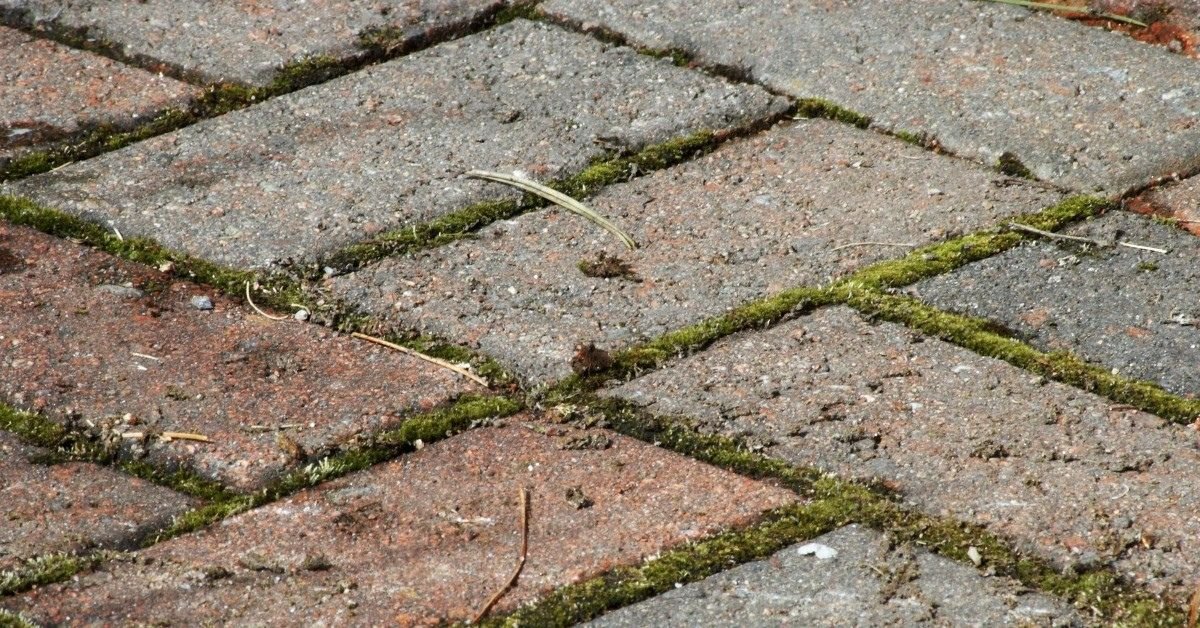
Does Salt Kill Weeds in Block Paving?
Weeds between block paving ruin the clean look of your driveway or patio and can damage the structure. Many homeowners ask the same question: Does salt kill weeds in block paving? Salt looks like an easy fix, but the truth has layers. It can dry out weeds and offer a quick kill, but it also causes long-term issues for your paving and soil.
In this block paving weed prevention guide blog, you’ll get straight answers backed by expert insights. We’ll explore how salt works, when to use it, and where it falls short. You’ll also find practical advice on safer alternatives, long-term weed control, and proper block paving maintenance tips to protect your outdoor spaces the right way.
Can Salt Kill Weeds in Block Paving?
Yes, salt kills weeds. It breaks down plant cells by pulling out moisture, leading to quick dehydration. This method works well in cracks between block paving, where weeds often settle.
Sodium chloride interferes with water balance in plant tissues and blocks nutrient absorption. When applied correctly, salt causes complete dieback within three to five days. It looks effective because it visibly clears the weeds from your path.
However, this isn’t a weed prevention strategy. Salt does not treat the root cause of growth; it targets symptoms. Seeds and roots can remain dormant and return once the salt washes away, especially during the UK’s wet months.
How to Use Salt to Kill Weeds in Block Paving
If you decide to try salt, do it safely and sparingly. Use either table salt or rock salt. The best way to remove weeds from block paving is with a diluted solution, not a direct dry application. Follow this method:
- Mix 1 part salt with 3 parts water
- Stir until fully dissolved
- Pour into a spray bottle
- Apply directly to weed leaves, avoiding soil and nearby plants
- Choose a dry, rain-free day to prevent runoff
You can repeat this every few days until the weed dries out completely. Some homeowners add vinegar or dish soap, but salt alone does the job if used properly.
Spot treatment works better than soaking large areas. It gives you control and avoids damaging the structure of your block paving.
Pros of Using Salt on Block Paving Weeds
You might prefer salt because it’s already in your kitchen. It’s a quick and simple method, especially when weeds first appear.
Advantages:
- Budget-friendly: You don’t need to buy expensive herbicides.
- Accessible: Table salt and rock salt are widely available.
- Immediate results: Visible changes often appear within a few days.
- No synthetic chemicals: It avoids harsh ingredients used in many commercial weedkillers.
Salt can help you respond quickly to small patios and driveways without pulling out tools or chemicals. It acts quickly when weeds are small or just sprouting.
Disadvantages of Using Salt on Paving
Salt weed killer for block paving has real downsides. Although you may not see them immediately, the risks increase with repeated use as salt damage to paving stones within time.
Damage to the Surrounding Area
Salt spreads beyond the weed. Nearby lawns, flowers, and beds can suffer. Salt seeps into the soil and makes it harder for any plant to grow, whether desired or not.
Structural Damage
Salt weakens the jointing sand between pavers, causing gaps and movement over time. In UK winters, salt can attract moisture into the pavers, freezing, expanding, and cracking them.
Environmental Risks
Salt runoff pollutes water systems and harms aquatic life. It doesn’t stay put, especially in heavy rain. Pets that walk across salted paving may suffer skin irritation.
Temporary Fix
Salt works like a plaster. It kills what you see, not what lies beneath. Seeds in the soil can sprout again after the next rain, so you’ll need to reapply, which leads to more damage over time.
How Salt Can Damage Block Paving
While salt removes weeds, it also creates problems for the structure and appearance of your block paving. These issues may develop slowly, but they can become costly over time.
Surface Wear
Salt crystals rub against the paving when walked on or swept. Over time, this erodes the top layer of pavers and creates rough patches. This wear reduces the blocks’ colour contrast and clean appearance, making them look dull and aged.
Joint Erosion
Salt doesn’t just attack weeds; it also dissolves the sand used between paving joints. This weakens the structure, allowing blocks to shift, sink, or become uneven. As the sand disappears, the gaps widen, encouraging more weed growth and water pooling.
Efflorescence
After salt evaporates, it often leaves a chalky white residue known as efflorescence. These salt stains are hard to remove, making even clean paving look neglected. They require special cleaning solutions and regular treatment to manage.
Moisture Problems
Salt attracts moisture, pulling it into the porous parts of the paving. That moisture freezes and expands in cold conditions, causing cracks and fractures. This freeze-thaw cycle weakens the internal structure of paving stones, especially during UK winters.
Safer Alternatives to Salt for Killing Weeds
You don’t have to rely on salt. Several natural weed killers for paving stones work well without the damage salt can cause. These alternative solutions to salt for weed control also suit homes with children, pets, or surrounding plants you want to protect.
Boiling Water
Boiling water is a safe weed killer for pets and plants. It destroys weed cells by heat shock. When poured directly into the gaps between paving stones, it damages the plant structure instantly and causes collapse within hours.
It works best on young weeds and small patches but may require repeat applications on larger, deeply rooted growth. Since it leaves no residue behind, it’s a great solution for eco-conscious homeowners.
Vinegar
Salt vs vinegar weed killer, which works best? So, both have own specs. White vinegar with high acidity, ideally over 10% acetic acid, breaks down weed cell walls and dries the plant out quickly. You can apply it using a spray bottle for easy, targeted treatment.
It works especially well under dry, sunny conditions, helping to burn off the plant’s surface. However, it’s non-selective, so always avoid spraying on surrounding plants, lawns, or garden beds to prevent accidental damage.
Baking Soda
Sprinkling baking soda into paving cracks after rainfall alters the pH of the soil and creates a less hospitable environment for weed growth. It works best as a mild, ongoing deterrent rather than a one-time solution.
You can use a broom to sweep it deep into the joints, then lightly hose the area. It’s especially helpful in spring and autumn when moisture helps the powder activate and absorb properly into the soil.
Manual Removal
Manual weed removal from pavers remains one of the most effective and damage-free approaches. After rain or watering, the soil softens, allowing you to pull weeds out fully, including roots. Use patio knives, hook tools, or even a weed torch for deep-rooted growth.
This method requires effort but gives long-term results and works without harming the health of the surrounding paving soil or nearby garden beds.
Use these methods if you want eco-friendly weed control that is suitable for families, pets, and surrounding plant life. They’re ideal for ongoing care and don’t cause structural damage like salt.
How to Prevent Weeds in Paving Without Salt?
Removing weeds between paving stones helps in the short term, but prevention avoids constant battles with regrowth. If you want long-term weed control for block paving, your best approach includes routine maintenance and careful installation practices. Here’s how to stop weeds growing in block paving without relying on harsh or damaging solutions.
1. Use Kiln-Dried Sand
Refill paving joints with kiln-dried sand regularly to maintain tight gaps. This sand is a physical barrier, preventing seeds from settling and rooting between the stones. It also improves surface drainage, helping reduce moisture where weeds typically thrive. Avoid builder’s sand, which holds water and breaks down faster, making it easier for weeds to return.
2. Apply a Paving Sealant
A quality block paving sealant creates a protective film over the joints and surfaces, blocking out both moisture and airborne seeds. Choose a breathable, eco-safe sealer like Pro 810 that escapes natural vapour without trapping moisture beneath. Apply it only after removing existing weeds and cleaning the surface thoroughly. Reapplying every two to three years strengthens long-term protection and keeps your paving looking fresh.
3. Install a Weed-Resistant Membrane
If you’re installing new paving or planning a renovation, lay down a weed-proof membrane underneath. This fabric stops deep-rooted weeds from penetrating from below and works especially well in driveways or gravel-filled areas. It doesn’t prevent surface weeds caused by windblown seeds, but it does reduce overall pressure from below the surface, which keeps growth under control in the long run.
4. Improve Drainage
Standing water or constantly damp gaps invite weed and moss growth. Ensuring proper slope during installation directs excess water away from paving joints. You can also use permeable jointing materials that encourage water to drain through the surface instead of pooling. Dry joints prevent weeds and protect your paving from winter frost damage.
5. Sweep Regularly
Routine sweeping removes debris, organic matter, and windblown seeds before they have a chance to settle. Aim to do this weekly, especially during high-growth seasons like spring and autumn. Focus on the joints and corners where debris collects. A few minutes of sweeping can prevent hours of weeding later and preserve the overall health and look of your block paving.
How Often Should You Apply Salt or Alternatives?
Salt requires frequent application. If you use it once, expect new weeds within a few weeks. Rain washes away the salt, reducing its effectiveness.
Natural methods like vinegar or boiling water also need repeated treatments every 2–4 weeks. Vinegar works best under dry, sunny conditions. Boiling water can be poured anytime but doesn’t prevent regrowth.
Manual removal lasts longer if you remove the roots. Combine it with sealing and sanding for longer protection.
Avoid using any weed killer (salt or vinegar) during wet spells. Wet weather spreads the solution into unwanted areas.
Should You Use Salt in Block Paving?
Salt might seem like an easy win, but it trades short-term gain for long-term trouble. It works, no doubt, but only on surface weeds. It doesn’t protect the paving or prevent future growth. It damages the structure, soil, and surrounding plants. So, professional block pavers advise not to use salt as a permanent solution.
Use salt only as a one-time, spot treatment in small, isolated areas. Never apply large quantities. And always combine it with better prevention methods like sanding, sealing, and sweeping.
If you want a sustainable option, go for eco-friendly weed control methods such as vinegar, boiling water, and manual removal. These reduce damage and protect your paving, especially around pets and plants.
Comparison Table: Salt vs Alternatives for Block Paving Weed Control
| Method | Speed | Cost | Risk to Paving | Soil Impact | Environmental Safety |
| Salt | Fast | Low | High | High | Moderate |
| Boiling Water | Fast | Free | None | None | High |
| Vinegar | Medium | Low | Low | Medium | Moderate |
| Manual Removal | Slow | Low | None | None | High |
| Weed Torch | Fast | Medium | None | None | High |
| Herbicides | Fast | Medium-High | Medium | Medium-High | Low-Moderate |
Conclusion
Salt does kill weeds in block paving, but the risks often outweigh the rewards. It strips moisture from plants, clears visible growth fast, and costs very little. But it also weakens joints, stains the surface, and degrades soil health. Repeated use can ruin your paving’s structure and affect nearby plants or pets.
For long-term weed control, you need more than a salt solution for weeds. Mix smart prevention like sealing, sanding, and sweeping, with natural treatments like vinegar or boiling water. Choose what suits your space and goals. Don’t let short fixes damage your paving. Whether you need block paving weed removal tips or help from paving contractors, make your approach clean, safe, and long-lasting.
Frequently Asked Questions
Does salt kill weeds in block paving permanently?
Salt quickly kills visible weeds but doesn’t stop new ones from growing. Rain and moisture wash away the salt, allowing fresh seeds to settle in the gaps again.
What’s the safest weed killer for pets and nearby plants?
Boiling water and manual removal work well without harming pets or nearby vegetation. Vinegar is another safe option if you apply it carefully and keep it away from your garden beds.
How often should I reapply natural weed killers like vinegar or baking soda?
You may need to repeat the application every 2 to 4 weeks, based on the weather and the strength of weed growth. Natural methods wear off faster than chemical ones but cause less long-term harm.
What’s the best long-term method to stop weeds in paving?
Use kiln-dried sand, seal the joints, and sweep regularly to prevent seeds from settling. These methods protect your paving structure and reduce weed growth without causing any damage.
Add a comment