Driveways in Fleet, Hampshire & Pagham, West Sussex
New Driveways, Built From The Ground Up
Block paving, resin bound, tarmac, gravel or natural stone — the surface is the part you choose. What decides whether the drive is still flat in fifteen years is the excavation, the sub-base, the edges and where the water goes.
Pure Lay Home Solutions designs and installs complete driveways across Fleet, Hampshire, Pagham and West Sussex — new builds, replacements, widenings and repairs to what you already have.
Block paving, resin, tarmac and gravel behave very differently on the day, and homeowners understandably spend most of their time choosing between them. But when a drive fails early — whichever surface is on top — the reason is almost always one of the same three things underneath.
Not Enough Dug Out
A surface laid on a thin scrape of hardcore settles under the weight of a car, especially over clay or soft ground. Ruts show in the wheel tracks within a couple of winters and nothing brings the level back except lifting it.
Nothing Holding The Edges
Blocks spread, gravel migrates, tarmac crumbles from the outside in. A concrete-haunched kerb or edging around the whole perimeter is what stops the surface creeping outwards and opening up.
Nowhere For Water To Go
No fall, no channel, no soakaway. Standing water washes out jointing, freezes in winter, feeds moss and pushes water toward the house. It is also what puts you on the wrong side of the planning rules.
We are a groundworks firm as much as a paving one, and that is where most of our time on a driveway goes — long before the surface arrives. It is also why our quote tells you the excavation depth and the sub-base, not just the material on top.
Driveway Surfaces
Every Surface We Lay, And What Each One Is Good At
There is no single best driveway surface — there is the one that suits your property, your budget and how the drive gets used. Here is an honest summary of each.
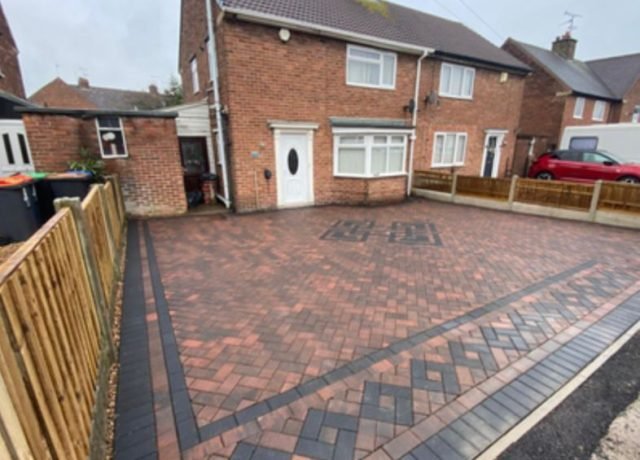
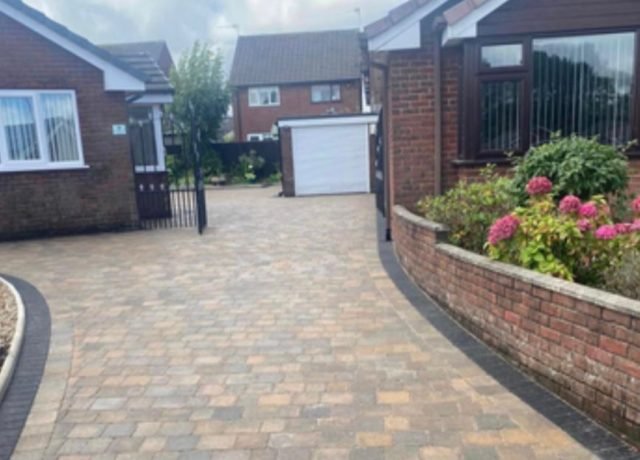
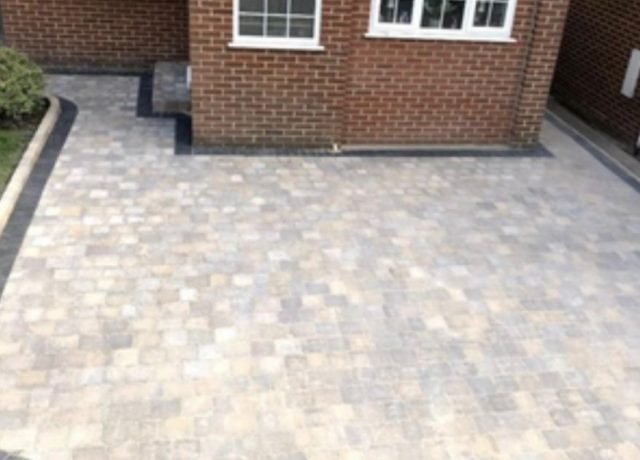
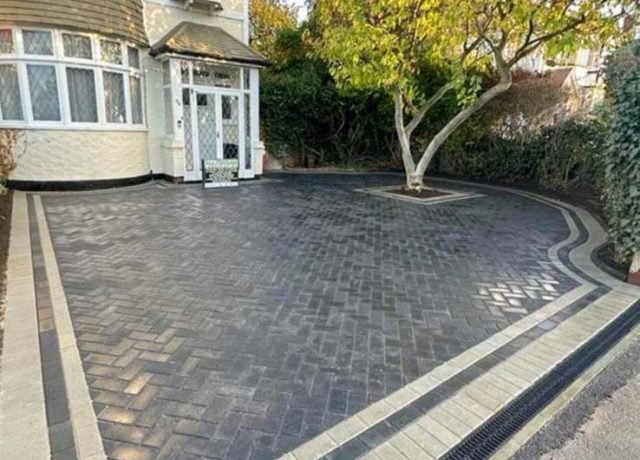
Block Paving Driveways
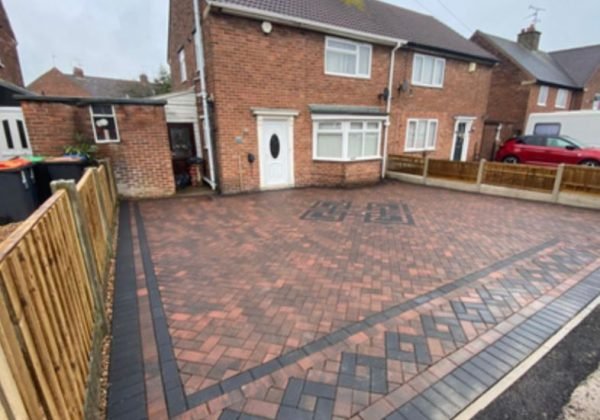
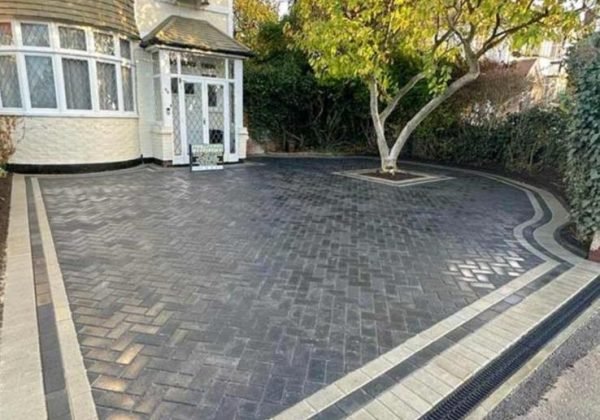
The classic. Enormous choice of block, colour and laying pattern, individual blocks liftable for repairs or access to services, and it suits period and modern properties alike.
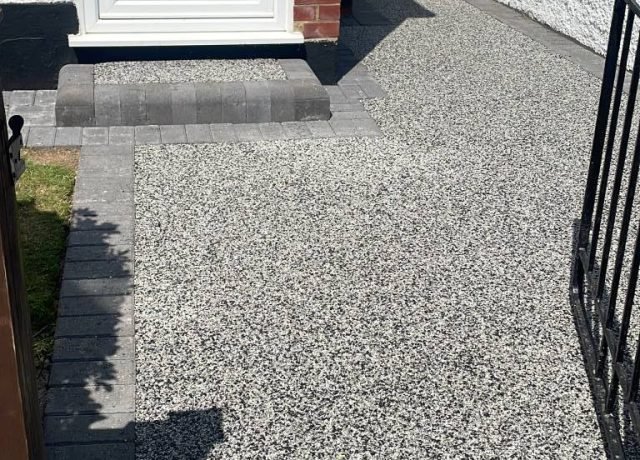
Resin Bound Driveways
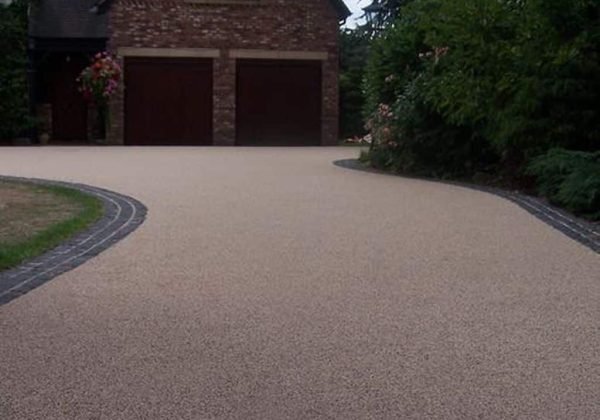
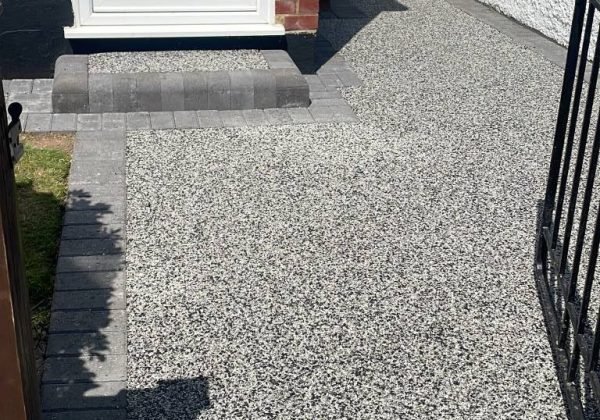
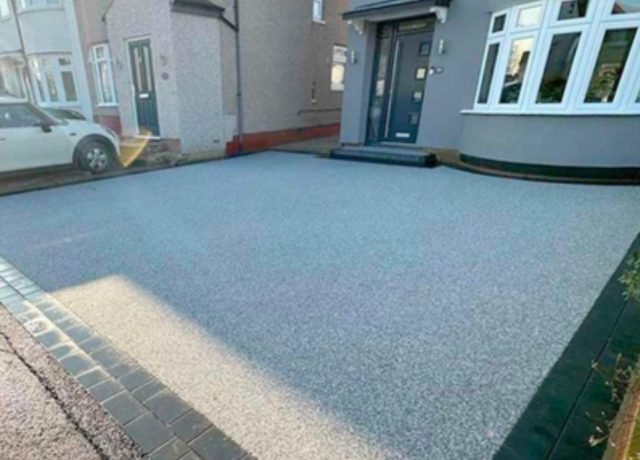
Smooth, seamless and permeable. No loose stone, no joints to weed, and hundreds of aggregate blends. The contemporary choice, and the easiest one to keep clean.
Tarmac & Asphalt Driveways
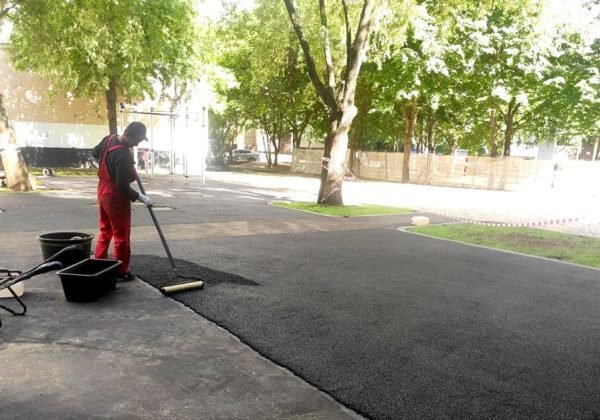
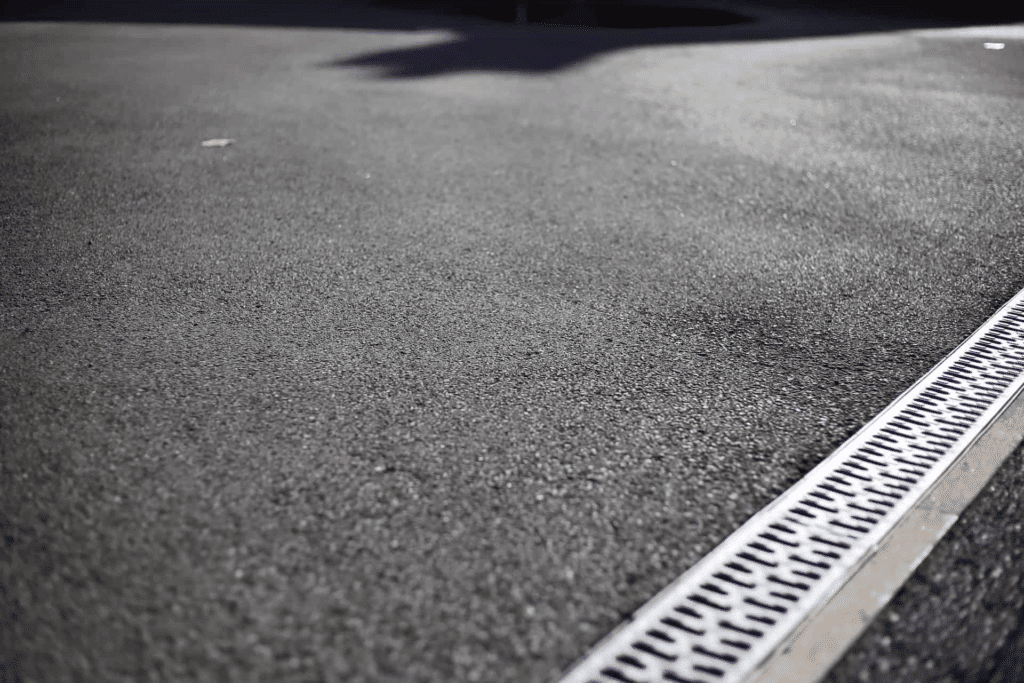
The most cost-effective way to cover a large area, and the best surface for long or sloping drives. Quick to lay, hard wearing, and it takes a block or kerb border well.
Gravel & Shingle Driveways
Inexpensive, naturally permeable and quick to install. Laid over a proper membrane and base with strong edge restraints, it stays put instead of ending up on the pavement.
Slabbed & Natural Stone
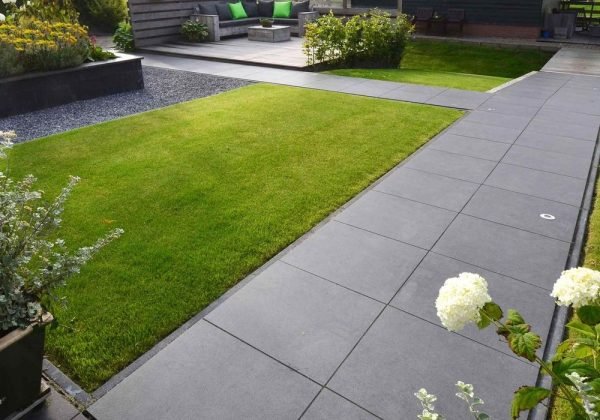
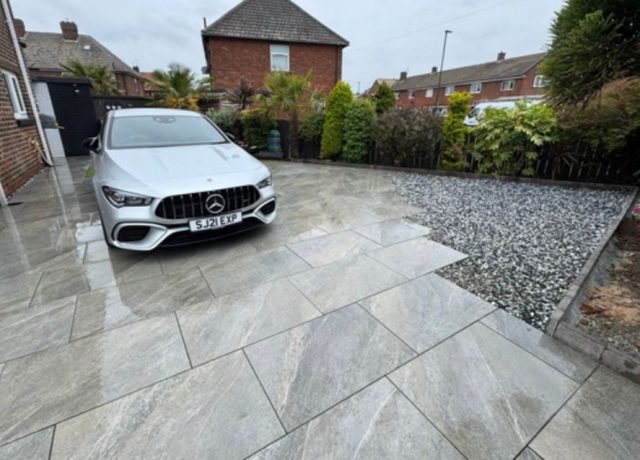
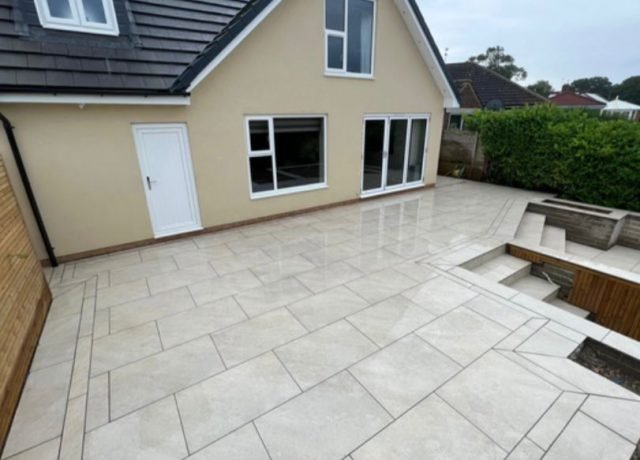
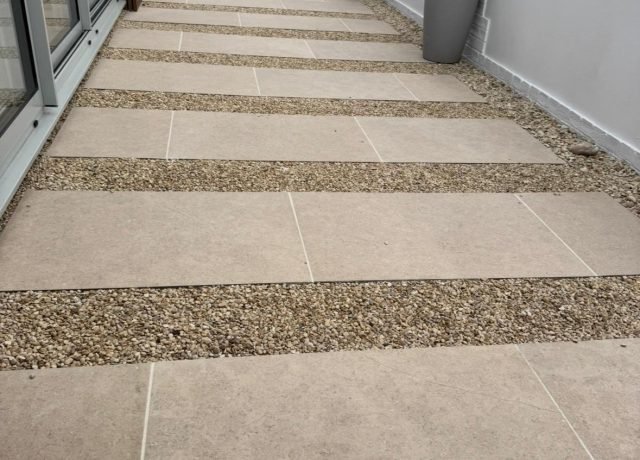
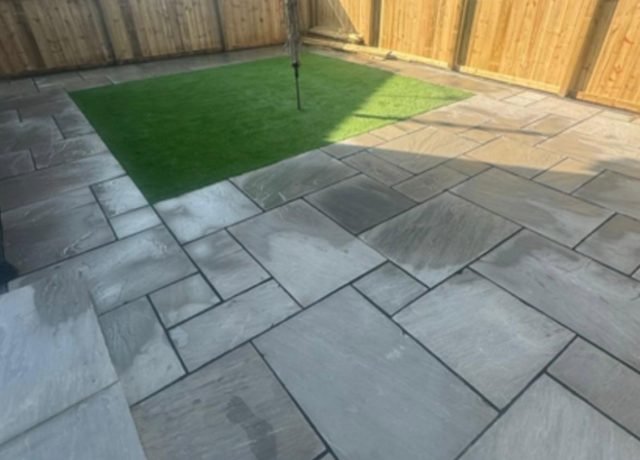
Porcelain, Indian sandstone and natural stone for driveways and hardstanding — laid on a full concrete bed rather than sand, because a driveway slab has to carry a car.
Repairs, Resurfacing & Widening
You do not always need a new drive. Sunken areas relaid, blocks replaced, joints refilled, tarmac patched and existing drives widened or extended.
Not Sure Which Surface You Want?
That is what the site visit is for. We look at the ground, the access, the drainage and the house, and tell you what we would lay if it were ours — with a price against each realistic option.
Most people arrive with a look in mind and a budget in the back of their head. These are the questions that decide it in practice.
I Want The Lowest Cost Per Square Metre
Tarmac, then gravel. Tarmac covers a large area quickly and cheaply and handles slopes better than anything else. Gravel is cheaper still on materials but needs good edging and a membrane to stay respectable.
Be careful comparing rates: a cheap square metre rate usually means a shallower dig and a thinner sub-base, which is the part that decides whether you are doing this again in five years.
I Want The Least Maintenance
Resin bound. No joints means no weeds coming through and nothing to re-sand; a brush and an occasional wash is genuinely the whole regime.
Block paving is not far behind but wants its joints topping up with kiln-dried sand every few years. Gravel needs raking and topping up, and is the one surface that travels if the edges are not right.
My Drive Is On A Slope
Tarmac first, then resin bonded or block paving. A steep drive needs grip and a surface that will not creep downhill.
Gravel is the wrong answer on any real gradient — it migrates to the bottom and ends up in the road. Smooth resin bound can be specified with an anti-slip aggregate where the fall is moderate.
I Have A Period Property
Block paving in a tumbled or clay paver, natural stone setts, or gravel. All three read as traditional and age well against brick and flint.
A soldier-course border or a stone sett edge does a lot of the work here — it frames the drive and stops a large expanse of one material looking flat against an older house.
If you are torn between two, we will price both. It is a five-minute job at quote stage and it usually makes the decision obvious.
Our Method
How We Build A Driveway
The sequence is the same whatever goes on top. Only the final stage changes with the surface you have chosen.
01. Survey & Fixed Quote
We measure up, check levels, access and drainage, talk through surfaces and give you an itemised written price that states the dig depth, the sub-base and how the water is handled.
02. Excavate & Cart Away
The old surface and any soft ground come out to depth and go away. Levels are set against the house so surface water runs away from the building, never toward it.
03. Sub-Base, Edges & Drainage
Membrane where the ground needs it, then compacted sub-base laid in layers rather than one lift. Kerbs and edgings haunched in concrete, channels and soakaways set to finished level.
04. Surface & Handover
Blocks laid and vibrated, resin trowelled, tarmac rolled or gravel spread — then the site swept, spoil removed and the drive handed back with clear aftercare.
Levels set so water runs away from the house
Sub-base compacted in layers, not in one lift
Edge restraints haunched in concrete before the surface goes down
Drainage designed in at survey stage, not improvised at the end
Road and pavement swept, spoil taken away
Drainage & Planning
The Front Garden Rule Most People Have Not Heard Of
Since 2008, paving over more than five square metres of a front garden with a surface water cannot pass through, where the run-off simply goes onto the road, requires planning permission. It catches out a lot of homeowners — and a fair few installers.
You do not need permission if the surface is permeable, or if the water is directed to a lawn, border or soakaway inside your own boundary. That covers the overwhelming majority of the drives we build, but it has to be designed in from the start rather than bolted on at the end.
How We Deal With The Water
Permeable surfaces — resin bound or permeable block paving
Gravel over an open base, which drains by nature
Channel drains across the threshold to a soakaway
Falls set to shed water into a lawn or planted border
A permeable margin where the layout allows it
Your quote will say plainly how the water is being dealt with. If we think a job genuinely does need permission, we will tell you before we start rather than lay it and leave you with the problem.
Repairs & Restoration
You Do Not Always Need A New Driveway
A drive that looks tired is often structurally fine. Before quoting a replacement we will tell you honestly whether a repair and a clean would get you most of the way there for a fraction of the cost.
Sunken areas lifted and relaid
Cracked or oil-stained blocks replaced
Joints cleaned and refilled with kiln-dried sand
Edging and kerbs re-laid and re-haunched
Moss, algae and weed treatment
Professional pressure washing and re-sealing
Tarmac potholes and edges patched
Drives widened, extended or dropped kerbs added
Where a repair would only buy you a year or two, we will say that too. Patching a drive whose sub-base has gone is money spent twice.
Why Pure Lay Home Solutions
Why Homeowners Choose Us For Their Driveway
Paving is a crowded trade and the quotes you collect will vary enormously. Ours will not be the cheapest, because the difference is under the surface and it costs money to do properly.
Groundwork Is Our Own Trade
The excavation, levels and sub-base are done by our own team rather than subbed out — which is precisely where driveway jobs go wrong.
Itemised Fixed Quotes
The price states the dig depth, the sub-base, the surface, the edgings and the drainage, so you can compare quotes properly instead of by the bottom line.
Advice Before A Sale
If a repair will do, we say so. If the surface you like is wrong for your slope or your usage, we say that too — at quote stage, not afterwards.
We Leave It Clean
Spoil taken away, road and pavement swept, and your drive usable when we go. Neighbours notice how a paving crew behaves.
Recent Work
Driveways We Have Built
A selection of driveway, patio and hardstanding projects completed for homeowners across Hampshire and West Sussex.
It is priced per square metre, and the rate depends on the surface, how much has to be dug out and carted away, how much edging and kerbing the shape needs, and what the drainage has to do.
Access matters as much as anything: a drive a machine can reach is cheaper to build than one barrowed through a side gate. We measure up and give you an itemised figure rather than a rate over the phone.
How Long Will It Take?
A typical domestic driveway runs from three days to a week on site, depending on size, access and how much groundwork is involved. Tarmac and gravel are usually at the quicker end, block paving at the longer.
Weather plays a part: resin and tarmac both need dry conditions to go down properly, and we would rather move a date than lay a surface that cures badly.
Will I Lose Access While You Work?
For most of the week, yes. Once the drive is excavated it cannot be driven on. We tell you exactly which days that covers so you can arrange parking, and we keep a safe walking route to your front door throughout.
If you need vehicle access for part of the job — a work van, a carer, a delivery — tell us at survey and we will phase it.
Does A New Driveway Add Value?
It is one of the few exterior jobs that reliably improves how a property shows. A tidy, level, well-drained drive with off-road parking affects the first impression before anyone reaches the front door.
We would be wary of anyone quoting you a specific percentage uplift. What we will say is that a failing drive is one of the first things a buyer notices and prices in.
FAQs
Frequently Asked Questions About Driveways
Clear answers to the questions we are asked most often about driveway materials, planning, timescales and upkeep.
Properly built, block paving and resin bound both give twenty years or more, and tarmac is not far behind. The honest answer is that longevity is decided by the sub-base rather than the surface — a well-built tarmac drive will outlast a badly built block paved one every time. Block paving has one practical advantage: individual blocks can be lifted and replaced at any point without disturbing the rest.
Usually not. Permission is needed if you pave over more than five square metres of front garden with an impermeable surface that drains onto the road. Using a permeable surface, or directing the water to a lawn, border or soakaway within your boundary, keeps you outside the rule. A dropped kerb is a separate matter and does need council approval — we can talk you through that.
Sometimes. Sound concrete or tarmac can be overlaid with resin bound or a new tarmac course, which saves the cost of digging out. It has to be structurally solid, stable and falling the right way. Block paving and gravel are different — those need a proper excavated build-up underneath, so an old surface has to come up first.
For a domestic drive taking cars we typically excavate to around 250mm below finished level and lay about 150mm of compacted sub-base, more where the ground is soft or the drive will take heavier vehicles. We assess the ground on site — clay, made ground and old garden soil all change the answer, and we will tell you if yours needs more than the standard build-up.
Yes, and it is one of the most common jobs we do. The trick is matching in: an extension in the same material laid straight up against weathered paving rarely looks seamless, so we will often suggest a contrasting border or a deliberate change of material to make the join look intentional rather than accidental.
Dropping a kerb is council-controlled work and needs their approval before anything happens. We can tell you at survey whether your property is likely to qualify and what is involved. The crossing itself must be built to the council’s specification, which is a heavier build-up than the drive behind it.
Brush it, wash it down occasionally, and deal with moss and algae before they establish. Block paving wants its joints topped up with kiln-dried sand every few years — that sand is what holds the interlock. Gravel needs raking level and topping up. Resin and tarmac mostly just need keeping clean.
Yes — forecourts, parking bays, access roads and commercial hardstanding. The build-up is heavier because the loading is, and we will price it on the traffic it actually has to carry rather than on a domestic specification.
We work across Fleet, Farnborough, Aldershot, Camberley, Basingstoke and the wider Hampshire area, and from our Pagham base across Bognor Regis, Chichester and West Sussex. If you are not sure whether you are in range, call and ask.
Book a free site visit and we will measure up, talk through surfaces, settle the drainage question and put a fixed itemised price in writing — across Fleet, Hampshire, Pagham and West Sussex.