How Much Does Tarmac Really Cost Per Square Metre?
You can’t guess the cost of a tarmac driveway just by looking at the size of your drive. While many sites give you a basic average, the true figure depends on groundwork, access, materials, and your location.
If you want to know how much tarmac costs per square metre, this guide fully answers the question. You’ll get a realistic view of what to expect before hiring paving contractors.
Whether you’re upgrading your current drive or laying one from scratch, understanding the tarmac driveway cost in the UK in 2025 will help you plan better, avoid hidden fees, and invest wisely.
What Is Tarmac and Why Is It Popular for Driveways?
Tarmac, or tarmacadam, combines crushed stone and a binding agent like bitumen to create a solid, weather-resistant surface. While people often ask if asphalt is the same as tarmac, they aren’t identical. Tarmac uses tar as a binder, while asphalt uses bitumen and usually contains finer aggregates, making it smoother and better for roads.
Tarmac driveways remain popular for one reason: practicality. They withstand heavy vehicles, resist harsh weather, and don’t need constant repairs. They also cost less to install and repair than alternatives like resin or concrete. You don’t have to deal with weeds like gravel or constant sealing like block paving.
How Much Does Tarmac Cost Per Square Metre in 2025?
The tarmac cost per m² in the UK sits between £70 to £120, depending on multiple variables. This includes labour, materials, and VAT. Here’s a basic breakdown of what influences that cost:
| Driveway Size | Estimated Tarmac Driveway Price | Time to Install | Labour Required |
| 10 m² | £800 – £1,200 | 1 Day | 2 Pavers |
| 20 m² | £1,600 – £1,800 | 2 Days | 2 Pavers |
| 50 m² | £4,000 – £4,500 | 3 Days | 2 Pavers |
| 100 m² | £7,500 – £9,000 | 5-6 Days | 2 Pavers |
Remember that smaller driveways can have a higher tarmac cost per m² due to delivery and labour inefficiencies. Larger jobs benefit from economies of scale.
What Factors Affect the Cost of Tarmacing a Driveway?
Many homeowners underestimate how many variables raise or reduce the tarmac installation cost. These are the most critical factors affecting tarmac cost:
Driveway Size and Shape
The bigger the area, the higher the total cost, but the lower the tarmac cost per m2. Larger driveways benefit from better material efficiency and spread labour costs more evenly. However, if your driveway has irregular shapes, curved paths, or sloped surfaces, it increases the labour time and the amount of edging or cutting required, which adds to the final quote.
Site Access
If machinery like diggers or rollers can’t get close to your driveway, the job becomes more manual and expensive. Restricted access means materials must be carried by hand, slowing progress. It also increases labour hours, especially on jobs where soil, concrete, or old materials must be removed and transported offsite.
Condition of the Existing Surface
Laying tarmac over solid, stable ground reduces costs significantly. If the existing base is cracked, uneven, or unsuitable, your contractor may need to dig deeper and install a new sub-base, which adds time and cost. Can you tarmac over concrete? Yes, if the surface is in good condition, but poor foundations almost always lead to future cracking or sinking, so proper assessment is vital.
Drainage Requirements
Water drainage plays a key role in how long your driveway lasts. If rainwater has nowhere to go, it weakens the tarmac over time, leading to cracks and potholes. Adding ACO drains or soakaways improves longevity but can cost between £500 and £1,500, depending on the scale. This cost is often essential rather than optional in sloped or poorly graded areas.
Additional Features
Every extra you add increases your tarmac driveway price. Dropped kerbs for access, edging stones for neatness, steps for elevation changes, or decorative borders require extra materials and time. If you choose coloured or textured finishes, expect higher material costs and longer installation times. These features boost kerb appeal and push the total cost beyond the basic rate.
Cost Breakdown: Materials and Labour
An understanding of the cost per element helps you manage your budget better. Here’s what you might expect:
| Cost Element | Average Cost |
| Excavation and Waste Removal | £28 per m² |
| Sub-base (crushed stone) | £23 per m² |
| Tarmac Material & Laying | £35 – £50 per m² |
| Labour (2-person team) | £300 – £400 per day |
| Mini Digger (if needed) | £250 per day |
| Skip Hire | £110 – £240 per skip |
For a complete job, labour alone can be 35–50% of the final cost.
Tarmac Prices by Driveway Size
Here’s a clearer view of how the tarmac driveway cost UK changes with driveway size:
- Small (30m²): £2,400 – £2,700
- Medium (50m²): £4,000 – £4,500
- Large (100m²+): £7,500 – £9,000
Prices vary with location, complexity, and prep work. London and the Southeast often cost 10-20% more.
What Types of Tarmac Are Available, and How Do They Affect Cost?
Different tarmac types suit different needs, and you must consider each tarmac driveway pros and cons. Each comes with its price point, installation method, and durability level. Choosing the right one depends on your usage, drainage requirements, and aesthetic preferences.
Hot Mix Tarmac
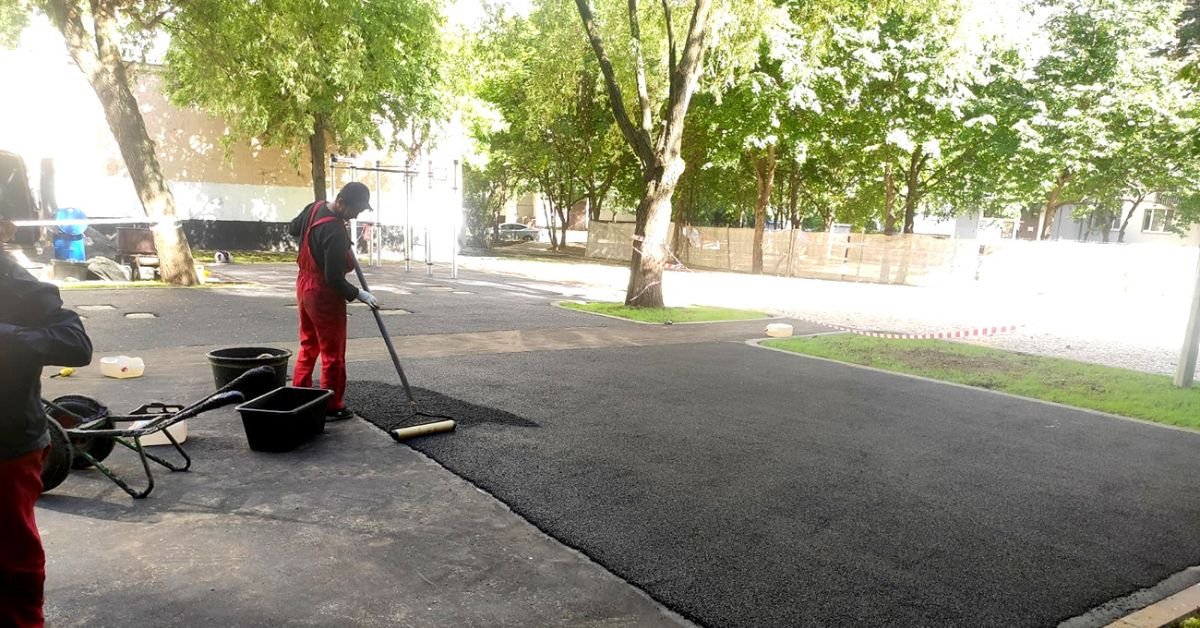
Hot mix tarmac is the most commonly used type for residential driveways. It requires specialist machinery to lay and compress, which helps create a strong, durable finish. Once set, it withstands heavy traffic and harsh weather, which makes it ideal for high-use areas. The machinery and labour make it more cost-effective for larger areas than small repairs.
Cold Lay Tarmac
Cold-lay tarmac is pre-mixed and ready to use straight from the bag, which makes it a practical choice for small patch repairs. It doesn’t need heating or complex equipment, making DIY fixes easier. However, it’s less durable than hot mix and doesn’t provide the same solid surface over large areas. It also costs more per square metre because it’s sold in small quantities.
Permeable Tarmac
Permeable tarmac is designed to let water pass through its surface, which helps prevent pooling and supports Sustainable Urban Drainage Systems (SUDS) compliance. It’s a smart option for areas with heavy rainfall or where drainage regulations apply. While the tarmac cost per m² is higher than standard options, it can save money in the long run by reducing the need for additional drainage infrastructure.
Coloured Tarmac (e.g., Red)
Coloured tarmac, such as red or blue, involves mixing pigments into the material, which raises the price due to the added processing. It’s often used for decorative purposes on driveways, cycle paths, or private roads to create visual separation. Though more expensive than standard black tarmac, it adds aesthetic value and enhances kerb appeal, especially when combined with custom edging or patterns.
How Does Tarmac Compare to Other Driveway Materials?
Here’s a driveway cost comparison in the UK to give you full clarity.
| Material | Cost per m² | Durability | Maintenance |
| Gravel | £50 – £70 | Moderate | High |
| Tarmac | £70 – £120 | High | Low |
| Concrete | £90 – £130 | Very High | Low |
| Block Paving | £80 – £120 | High | Moderate |
| Resin Bound | £100 – £150 | High | Low |
Tarmac vs block paving: Tarmac is quicker to install and cheaper. Block paving looks better but needs regular weed control. So, is tarmac cheaper than block paving? Yes, and it is far easier to maintain long-term.
What Extra Costs Should You Expect?
You may run into hidden costs if you don’t account for:
- Drainage channels: £50-£100 per metre
- Dropped kerb: £300-£600
- Edging stones: £20-£50 per metre
- Sealant application: £3-£5 per m²
- Driveway gates or lighting: £250-£1,000+, depending on style
Plan these ahead to avoid budget surprises.
Can You Lay Tarmac Over an Existing Surface?
Yes, you can lay tarmac over an existing surface like concrete or old tarmac, but only if that surface is structurally sound. It must be level, free from significant cracks, and capable of supporting the new layer without shifting.
A bonding agent is applied to help the new tarmac adhere properly to the base, ensuring the layers don’t separate over time. If the existing surface is unstable, uneven, or has drainage issues, then full excavation and sub-base preparation will be necessary to avoid future cracking, sinking, or water pooling.
Do You Need Planning Permission for a Tarmac Driveway?
In most residential cases, you don’t need planning permission to install a tarmac driveway, especially if you’re replacing an existing surface. However, if your new drive causes water to run off onto public roads or pavements, you may need to comply with Sustainable Urban Drainage Systems (SUDS) regulations.
These rules exist to prevent flooding and surface water damage. If you’re making significant changes to your property’s layout or live in a conservation area, always check with your local council before starting work to avoid fines or forced removals.
Should You DIY or Hire a Professional?
While small patch jobs using cold-lay tarmac are manageable for confident DIYers, laying an entire driveway is not a casual weekend project. It requires specialist tools, heavy machinery, and the skill to apply and compress the material before it cools correctly. Hiring professional paving contractors may seem like an added cost, but it ensures a durable surface, proper drainage, and a clean finish. Mistakes made during DIY installations often lead to costly repairs, making professional installation the more reliable and cost-effective choice in the long run.
If you’re looking for a trusted team to handle the job, Premium Paving and Landscaping offers expert tarmac driveway services across Coventry. They provide complete ground preparation, drainage solutions, and high-quality tarmac finishes tailored to your property. Whether you need a new installation or resurfacing, their team ensures precision, reliability, and lasting results. Get in touch with them to book a site visit or request a detailed quote.
What Maintenance Costs Should You Expect in the Long Term?
Tarmac is low maintenance, but a few touch-ups help keep it in shape:
- Sealant every 5 years: £3 per litre (covers 6 m²)
- Cleaning chemicals for oil: £10 per bottle
- Crack repairs with cold lay: £7-£15 per bag
- Resurfacing: around £55 per m²
Neglect causes damage over time. Light maintenance prevents major costs.
Tarmac Resurfacing: When and Why to Consider It
Resurfacing makes sense when your existing tarmac base is still stable but the top layer has worn out or faded. It costs less than a full replacement, typically between £45–£60 per m², and takes less time to complete. This approach renews the look and function of your driveway without disrupting excavation. However, resurfacing isn’t always suitable, if cracks run deep or the base shifts, the new layer will fail just as quickly. Avoid applying more than two resurfacing layers, as they raise the driveway height and create drainage or damp issues near your house or garage.
When Is the Best Time of Year to Lay Tarmac?
The best time to lay tarmac is during warm, dry months, late spring through early autumn. Tarmac needs stable temperatures and dry conditions to cure properly and achieve a strong bond with the sub-base. Cold or wet weather causes the mix to cool too quickly, which leads to weak spots and uneven finishes. Rainwater trapped during installation can also cause long-term surface damage. How long does the tarmac take to dry? You can walk on it after 4-6 hours, but you should wait at least 24-48 hours before driving over it. Full curing takes around 7 days, so avoid putting heavy loads on it too soon.
Does a Tarmac Driveway Add Value to Your Home?
Yes, a well-installed tarmac driveway adds practical and visual value to your home. It creates a smooth, professional-looking entrance and improves curb appeal, especially when finished with clean edging and proper drainage. Many buyers appreciate that tarmac is low maintenance, durable, and ready to use shortly after installation. Estate agents often estimate that a high-quality driveway can raise your property value by 5–10%, depending on the area. If you’re planning to sell or invest in long-term usability, a tarmac driveway offers a strong return on cost.
Conclusion
A tarmac driveway might not seem complex at first, but the cost of a tarmac driveway depends on more than size. You have to account for excavation, access, drainage, and materials. By understanding what drives the average cost of tarmac, you can plan your project properly and avoid price traps. Use real tarmac driveway cost UK figures, not guesswork. Hire reputable paving contractors, compare quotes, and ask the right questions. If you’re considering alternatives like block paving, weigh the price, maintenance, and long-term value. And when it’s time to lay the drive, wait for the right season. Get it right the first time, and your driveway will last decades.
Frequently Asked Questions
Is tarmac cheaper than block paving?
Yes, tarmac is generally cheaper than block paving for initial installation and ongoing maintenance. It requires fewer materials, less labour, and is quicker to lay, making it a more budget-friendly choice for most homeowners.
Can I tarmac over concrete?
You can tarmac over concrete, but only if the surface is solid, level, and free from significant cracks or movement. If the base is unstable or damaged, the tarmac will eventually crack, sink, or fail to bond properly.
How long does the tarmac take to set?
You can usually walk on the newly laid tarmac after 4–6 hours and drive on it after 24 to 48 hours. However, it takes about 7 days to cure and reach maximum strength fully, so avoid placing heavy loads during that time.
How long does the tarmac last?
A properly installed and maintained tarmac driveway can last up to 20 years or more. Regular sealing and timely repairs help extend its lifespan and maintain its appearance.
What is the best time to lay a tarmac driveway?
The best time to lay tarmac is during late spring to early autumn when temperatures are warm and dry. Cold and wet conditions can interfere with the curing process and reduce the quality of the finish.
Add a comment