Landscaping in Fleet, Hampshire & Pagham, West Sussex
Gardens Built To Be Used, Not Just Looked At
A garden that works is mostly groundwork you will never see again — levels, drainage, foundations under the walls, a proper base under the turf. Get that right and the planting and the paving look after themselves for years.
Pure Lay Home Solutions designs and builds gardens across Fleet, Hampshire, Pagham and West Sussex: turfing, fencing, walls and steps, raised beds, paths and full garden transformations.
The Planting Is The Last Thing We Do, Not The First
Most gardens that disappoint were decorated rather than built. The plants go in, the turf goes down, and eighteen months later the lawn is waterlogged in one corner, the sleeper bed has bowed outwards and the steps have started to move. None of that is a gardening problem.
Water With Nowhere To Go
The single most common fault in a domestic garden. A lawn laid over compacted clay with no drainage becomes a bog every winter, and no amount of reseeding fixes it. It is dealt with before the turf arrives, not after.
Walls Without Foundations
Retaining walls, raised beds and sleeper edging hold back a surprising weight of wet soil. Built off the ground rather than off a proper concrete footing, they lean, bow and eventually split apart.
Levels Nobody Set
A garden that falls the wrong way sends water at the house, makes steps uneven underfoot and leaves patios with a permanent puddle. Levels are a survey decision, not something to correct once it is built.
So we build gardens in the same order we build a driveway: ground, drainage, structure, surface, and planting last. It is less exciting to look at for the first week and it is the reason the garden still works in ten years.
What We Do
Our Landscaping Services
Complete garden transformations, or a single element done properly. Domestic and commercial, across Fleet, Hampshire, Pagham and West Sussex.
Garden Design & Groundworks
Clearance, levels, drainage and ground preparation, planned on site with you. The unglamorous half of the job, and the half that decides whether the rest lasts.
Turfing, Lawns & Artificial Grass
Cultivated turf laid on a properly prepared and drained base, or artificial grass over a permeable build-up where shade or heavy use makes real grass a losing battle.
Fencing & Gates
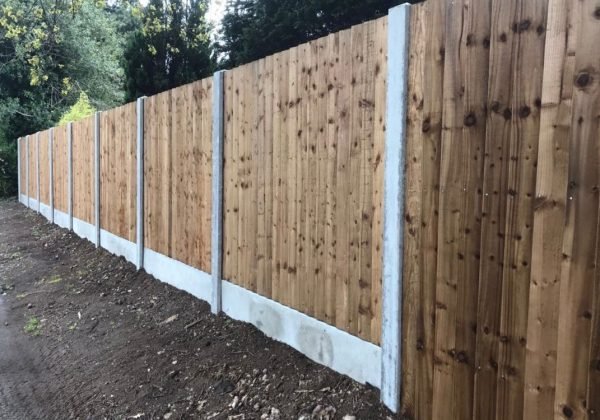
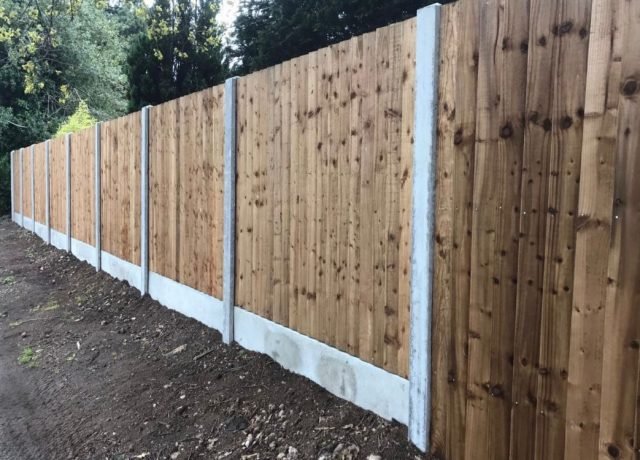
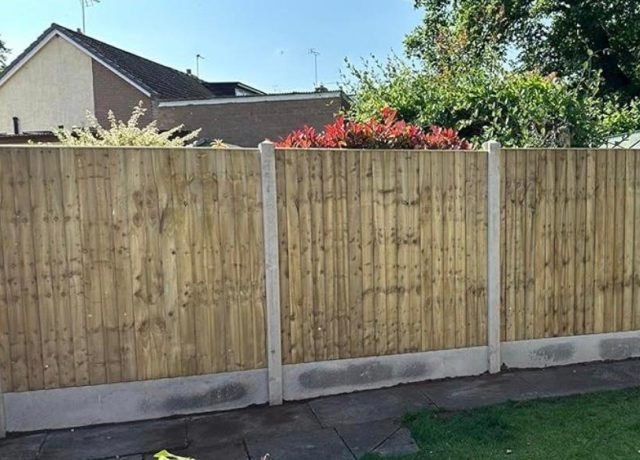
Close-board, feather-edge and panel fencing with concrete posts and gravel boards, plus side gates and bin stores. Set deep and concreted, so the first winter gale is not a problem.
Decking & Screening
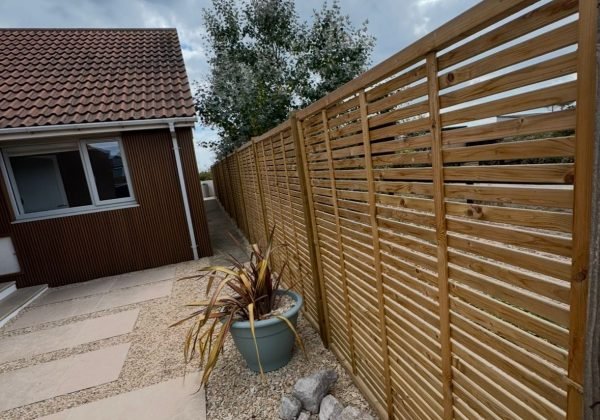
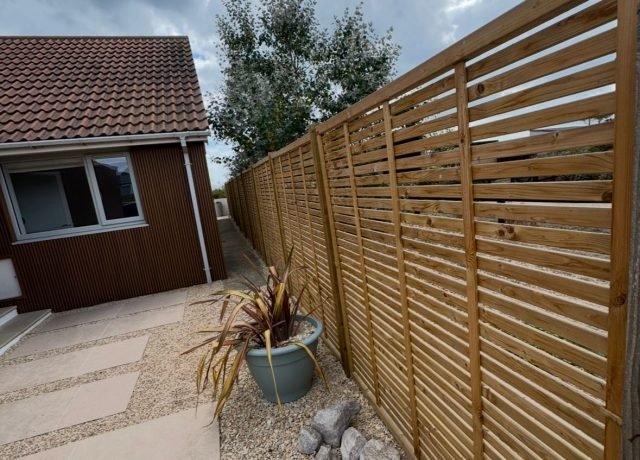
Timber and composite decking, slatted screens, pergolas and trellis — built on a frame that will not bounce, and detailed so water runs off rather than sitting on it.
Walls, Steps & Raised Beds
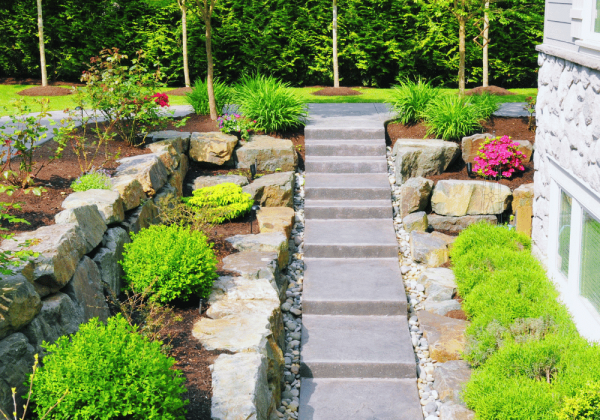
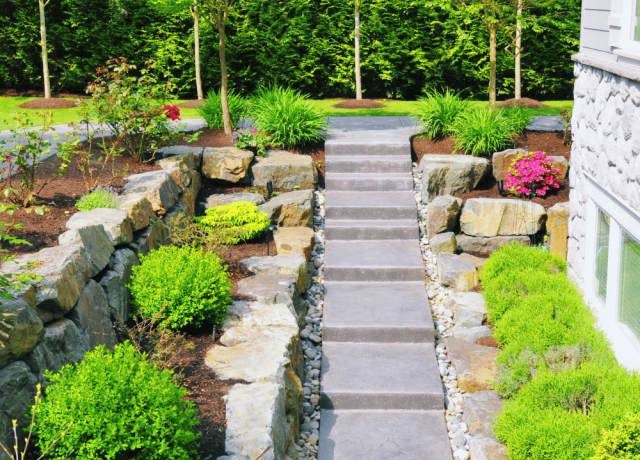
Retaining walls, garden walls, brickwork, sleeper beds and steps — all built off concrete footings, with drainage behind anything holding soil back.
Paths, Edging & Planting
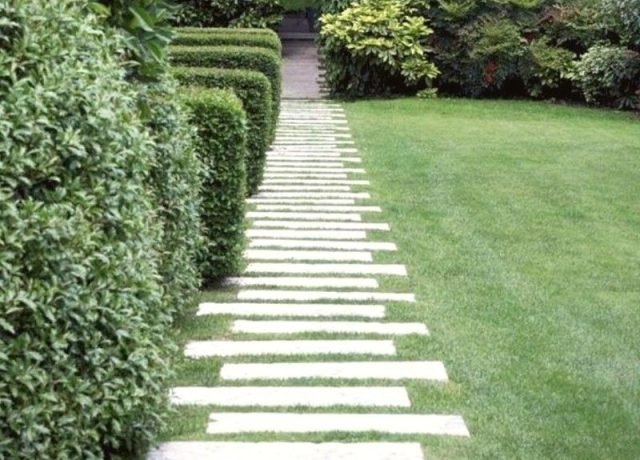
Garden paths, stepping stones, borders and edging, then the planting scheme itself — chosen for the aspect and the soil you actually have.
Patios and driveways are the same trade and the same crew — if the project includes them, we price the lot together. There is more on the driveways page.
Not Sure What Your Garden Needs?
Most people call us with half an idea and a photo saved on their phone. That is plenty to start with — we will come and stand in it with you and work the rest out from there.
This comes up on almost every garden we quote, and the honest answer depends far more on your garden than on your preference.
Cultivated Turf
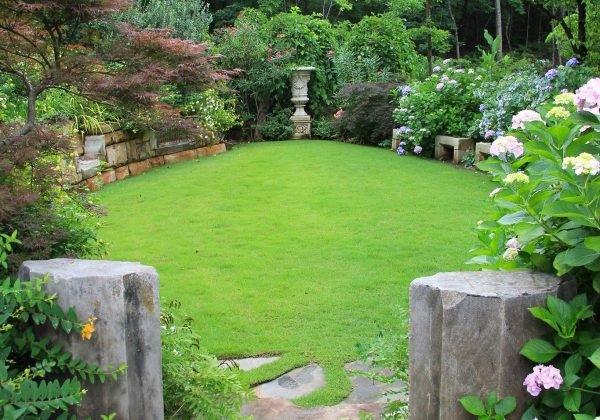
Cooler underfoot, better for wildlife and drainage, and cheaper to lay. It needs sun, it needs mowing, and it needs a base that drains — turf laid straight onto compacted builder’s ground is the reason so many new lawns fail in their first winter.
We rotovate, level, lay a growing medium and set the turf on that, with drainage where the ground demands it.
Artificial Grass
Green all year, no mowing, and it copes with deep shade, dogs and children where real grass simply will not. It costs more to install because the build-up underneath is a proper permeable base, not a roll thrown over soil.
It gets warm in direct summer sun and it does nothing for wildlife. Worth knowing before you choose it.
Where a lawn has failed before, the cause is nearly always underneath it. We will dig a hole and look before quoting either option.
How It Runs
From First Visit To Finished Garden
Garden projects vary more than driveways do, so the plan matters. Here is how a typical job runs.
01. Site Visit & Ideas
We walk the garden with you, look at aspect, levels, soil and access, and talk through what you want it to do — entertaining, children, dogs, low upkeep. Photos and Pinterest boards genuinely help.
02. Plan & Itemised Quote
A layout and a written quote broken down by element, so you can see what each part costs and drop or phase anything you want to leave for later.
03. Clearance & Groundwork
Clearance, spoil away, levels set, drainage in and footings poured. The messiest and most important week, and the one where the garden looks worse than when we started.
04. Build, Plant & Hand Over
Walls, fencing, paving and decking, then turf and planting last. Site cleared, everything swept, and straightforward aftercare notes for the first season.
Drainage and levels settled before anything is built
Walls, beds and steps on concrete footings
Fence posts concreted, with gravel boards off the soil
Turf and planting last, so nothing gets trampled
Spoil taken away and the site left clean each day
Budget & Phasing
A Garden Does Not Have To Happen All At Once
Full garden projects are one of the larger jobs a household takes on, and plenty of people would rather spread it. That is entirely workable, as long as the order is right.
Groundwork and drainage first — never retro-fitted
Then boundaries: fencing, walls and screening
Then hard surfaces: patio, paths and steps
Then the lawn, beds and planting
Lighting and water features whenever budget allows
Structures like decking and pergolas can wait
What we will steer you away from is laying the lawn and the patio before the fencing and walls go in. Building a boundary afterwards means machinery and materials crossing finished surfaces, and something always gets damaged.
Restoration & Upkeep
Tired Gardens, Not Just New Ones
A good proportion of our garden work is putting right something that already exists rather than starting again. It is usually cheaper than people expect.
What That Usually Means
Overgrown gardens cleared and reclaimed
Failed or waterlogged lawns lifted, drained and re-turfed
Leaning fences re-posted, panels replaced
Bowed sleeper beds and walls rebuilt properly
Sunken or slippery paths relaid and cleaned
Borders re-edged and replanted
We also pressure wash and soft wash patios, paths, decking and walls — often the cheapest way to make a garden look years younger before deciding whether it needs anything more.
Why Pure Lay Home Solutions
Why Homeowners Trust Us With Their Garden
Landscaping attracts everyone from qualified designers to a man with a van and a rotovator. We sit in a particular spot: a groundworks and paving firm that builds gardens, rather than a gardener who also does a bit of building.
The Hard Landscaping Is Our Trade
Levels, drainage, footings, walls and paving are what we do every week. That is the part of a garden that is expensive to put right afterwards.
Itemised, Phaseable Quotes
Priced element by element, so you can see the cost of each part and split the project across seasons if you would rather.
Honest About What You Need
If clearing and re-turfing would get you most of the way, we will say so rather than quote a full rebuild. We will also tell you when a plan will not work on your ground.
We Leave It Clean
Gardens are lived in while we work. Access protected, spoil taken away, tools cleared at the end of each day and a safe route to the back door throughout.
Recent Work
Gardens We Have Built
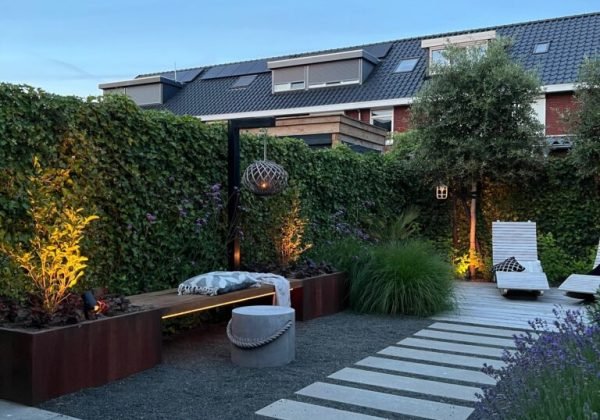
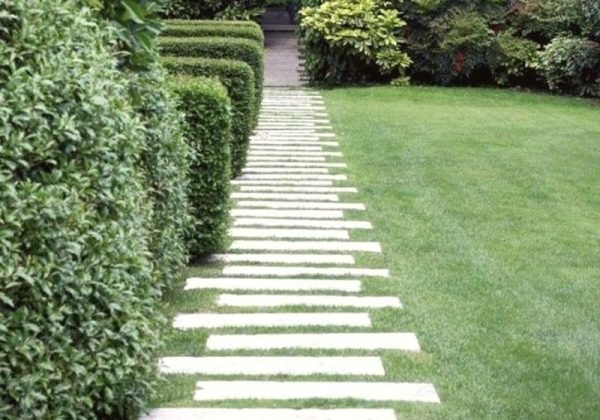
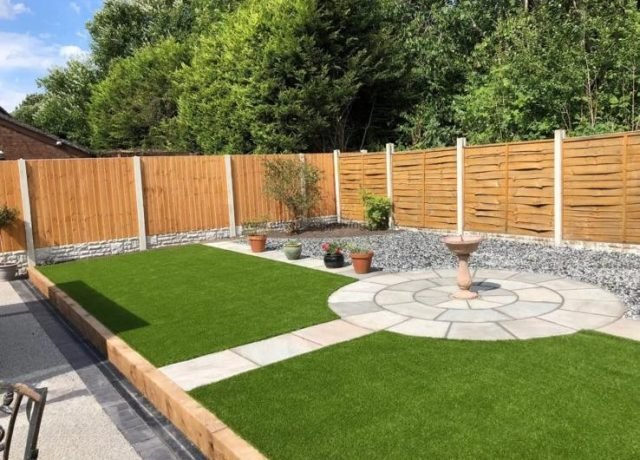
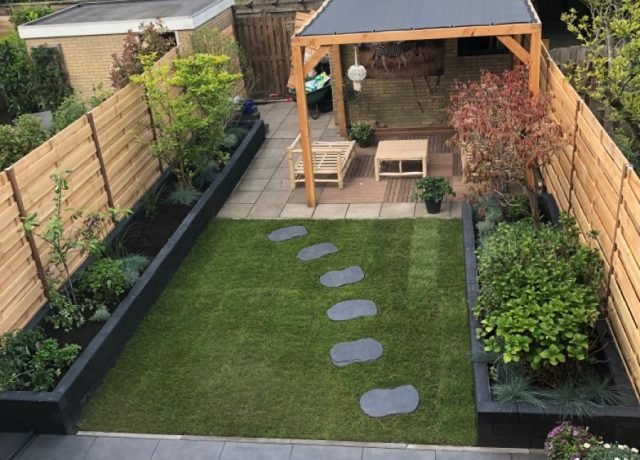
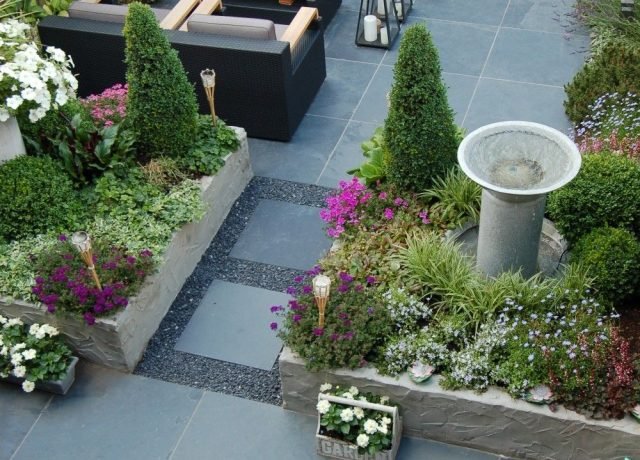
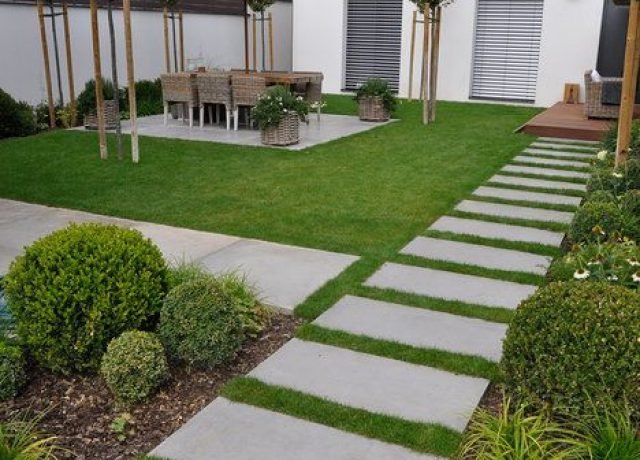
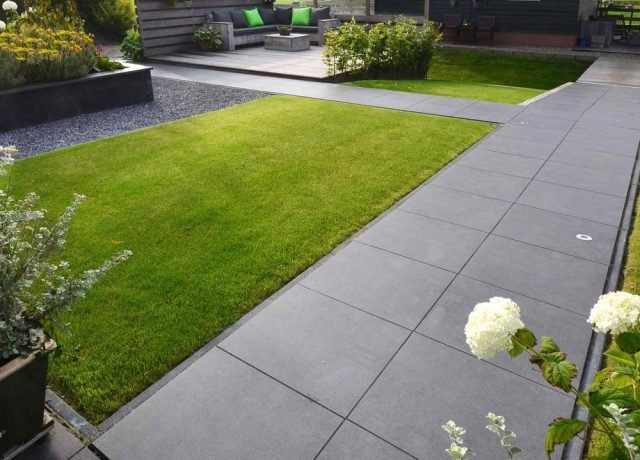
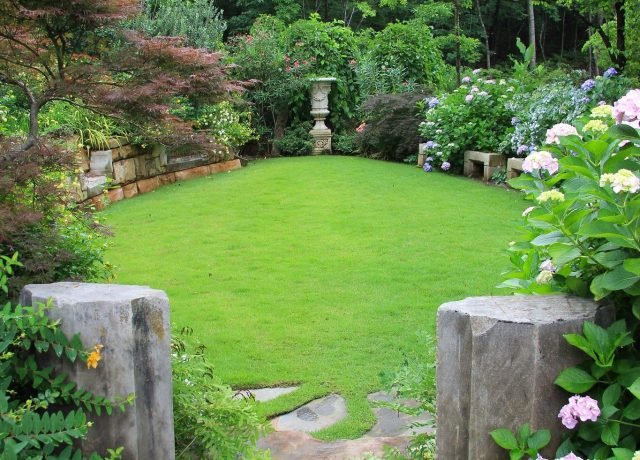
Garden transformations, fencing, lawns and paving completed for homeowners across Hampshire and West Sussex.
Landscaping spans a wider range than any other work we do. A fence line or a re-turfed lawn is a modest job. A full transformation with levels changed, retaining walls, patio, lawn and planting is a substantial one.
Access is the hidden variable: everything that has to be barrowed through a side gate rather than dropped in by machine adds labour. We quote element by element so you can see where the money goes.
How Long Does It Take?
A fence or a lawn is usually a day or two. A patio and planting scheme is most of a week. A full garden rebuild involving groundworks, walls and structures typically runs two to four weeks.
Weather affects garden work more than it affects driveways — saturated ground cannot be levelled or built on, so winter jobs sometimes pause.
What Is The Best Time Of Year?
Hard landscaping — walls, paving, fencing, decking — can be done almost any time the ground is workable. Autumn and early spring are ideal for turf and most planting, because the roots establish before they are asked to cope with summer.
Turf laid in high summer will take, but it needs watering daily and that job falls to you.
Do You Maintain It Afterwards?
We are landscapers rather than a regular garden maintenance round, so we do not mow lawns weekly. What we do handle is the heavier upkeep: clearance, pruning back overgrowth, re-sanding and cleaning paving, re-edging borders and repairing fencing.
Every new garden is handed over with clear aftercare for the first season, which is when it matters most.
FAQs
Frequently Asked Questions About Landscaping
Clear answers to the questions we are asked most often about garden projects, what they cost and how they run.
For the great majority of domestic gardens we design it with you on site — layout, levels, materials and planting — and you get that back as a plan and an itemised quote. For a large or complicated plot, or where you want detailed planting design and drawings, a garden designer is worth the money and we are happy to build to someone else’s plan.
Yes, and sloping gardens are often the ones that benefit most from being landscaped properly. The usual answer is terracing: retaining walls or sleeper beds creating level areas, linked by steps. The critical part is that anything holding soil back is built on a footing and drained behind — a retaining wall is a structural element, not decoration.
Usually. The cause is almost always compacted ground or clay with nowhere for water to go, often made worse by building work that compacted the subsoil. Depending on severity the fix ranges from aerating and improving the topsoil to installing land drains into a soakaway. We would look at it in wet conditions if we can — that tells us far more than a dry summer visit.
Concrete posts with gravel boards will outlast the panels between them by decades, which is why we use them wherever the look allows. Timber posts rot at ground level — that is where the wet and the air meet — so if you want a timber look we set them in concrete with the base treated. A panel fence on concrete posts should give you fifteen to twenty years.
It depends on the garden. In deep shade, on a small plot that gets heavy use, or where dogs have already destroyed the lawn, it solves a problem real turf will keep losing. In an open sunny garden, real turf is cheaper, cooler and better for wildlife. It also needs a proper permeable base underneath, so be wary of any quote that treats it as a carpet to roll out.
Yes — overgrown clearance is a regular job. We cut back, dig out, grub up roots and take it all away, then you can see what you are actually dealing with. Quite often people find the bones of the garden are sound and the project is smaller than they feared once it is cleared.
Yes. Green waste, spoil, old fencing, broken slabs and the rest all go with us, and that is included in the quote rather than added afterwards. We will tell you at survey if a skip is needed and where it would have to stand.
Yes — communal areas, grounds for small business premises, school and care-home outdoor spaces, and maintenance of existing landscaped areas. The specification is usually heavier and we will price it on the use it has to take.
Fleet, Farnborough, Aldershot, Camberley, Basingstoke and the wider Hampshire area, and from our Pagham base across Bognor Regis, Chichester and West Sussex. If you are not sure whether you are in range, call and ask.
Book a free site visit and we will walk the garden with you, talk through what is possible and put a fixed itemised price in writing — phased across seasons if that suits you better. Fleet, Hampshire, Pagham and West Sussex.