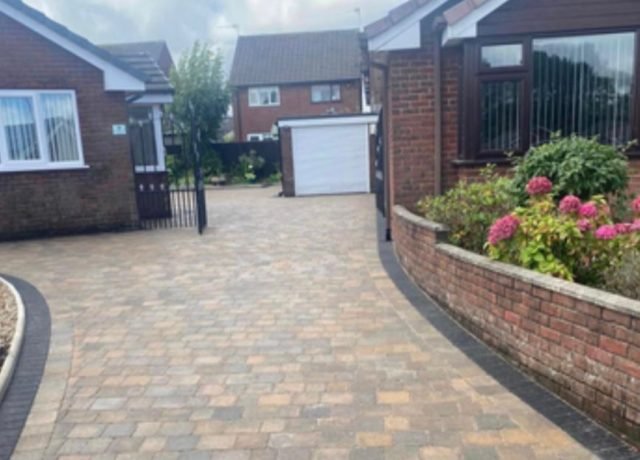
Block Paving in Fleet, Hampshire & Pagham, West Sussex

Block Paving Driveways Built On A Base That Lasts

Almost every block paved drive that sinks, rocks or spreads apart fails for the same reason: not enough was done under the blocks. The surface is the part you see, but the sub-base is the part that decides how long it lasts.

Pure Lay Home Solutions lays block paving driveways, patios, paths and commercial hardstanding across Fleet, Hampshire, Pagham and West Sussex — excavated to the right depth, restrained at the edges and drained properly.

Dug To The Right Depth

Proper excavation and Type 1 sub-base.

Fixed Written Quote

Itemised price after a site visit.

Drainage Handled

Permeable or drained, done to the rules.

Local & Family-Run

Hampshire and West Sussex based.

What Goes Wrong

Why Block Paving Fails Early — And It Is Never The Blocks

Concrete block pavers are extremely tough. When a driveway sinks, rocks underfoot, sprouts weeds through every joint or creeps outwards at the edges, the blocks are almost never the problem. Three things underneath them usually are.

A Sub-Base That Is Too Shallow

Blocks laid on a thin scrape of hardcore will settle under the weight of a car, especially over soft or clay ground. Ruts appear in the wheel tracks within a couple of winters and no amount of re-sanding brings the level back.

No Proper Edge Restraint

Block paving only works because every block is locked against its neighbours. Without a concrete-haunched kerb or edging holding the perimeter, the whole field slowly spreads, the joints open and the pattern loses its grip.

Nowhere For Water To Go

Water with no fall, no channel and no soakaway sits on the surface, washes jointing sand out of the joints and freezes in winter. That is what lifts blocks, feeds moss and pushes water towards your walls.

Get those three right and a block paved driveway will still be flat and tight decades later. That is where the majority of our time on site goes, long before the first block is laid.

What We Lay

Our Block Paving & Driveway Services

Driveways, patios, paths and hardstanding for homes and businesses across Fleet, Hampshire, Pagham and West Sussex — new installations, replacements and repairs to existing paving.

WhatsApp Image 2026-02-25 at 7.17.52 PM (1)

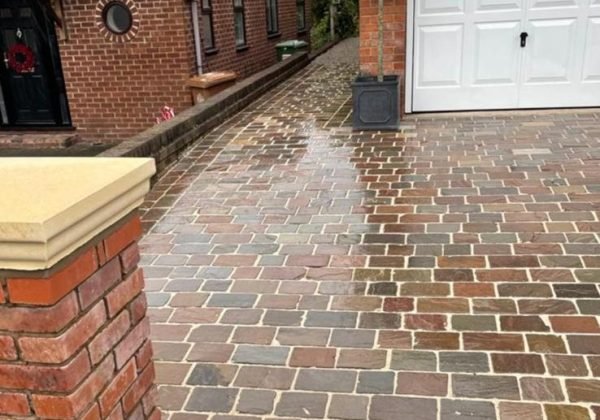
Block Paved Driveways

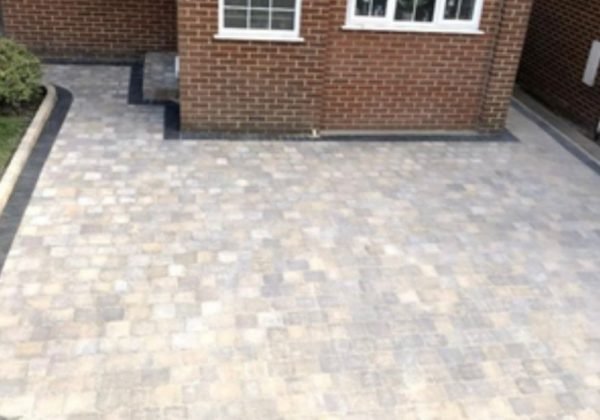
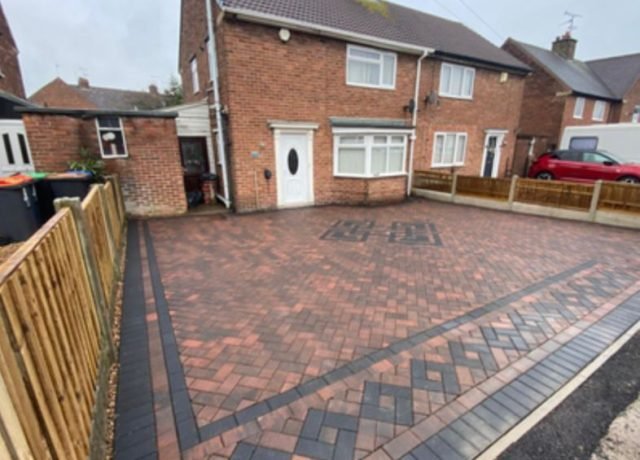
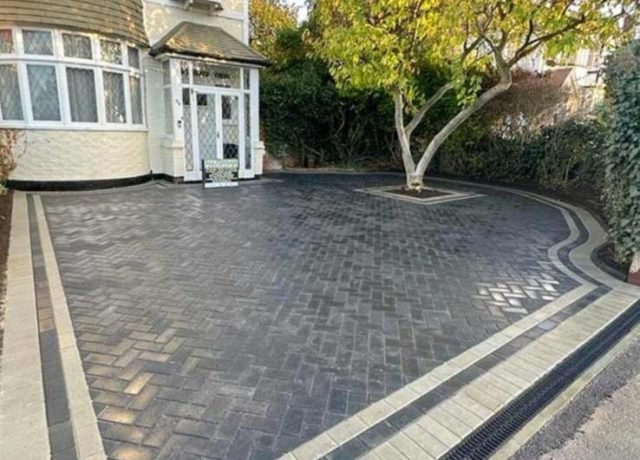
Full driveway installation from excavation to jointing, in your choice of block, colour and laying pattern, with a proper sub-base and restrained edges.
WhatsApp Image 2026-02-25 at 7.17.56 PM (9)

Driveway Replacement

Tired tarmac, cracked concrete or a failed old drive lifted and taken away, the ground rebuilt correctly and new block paving laid in its place.
WhatsApp Image 2026-02-25 at 7.17.57 PM (7)

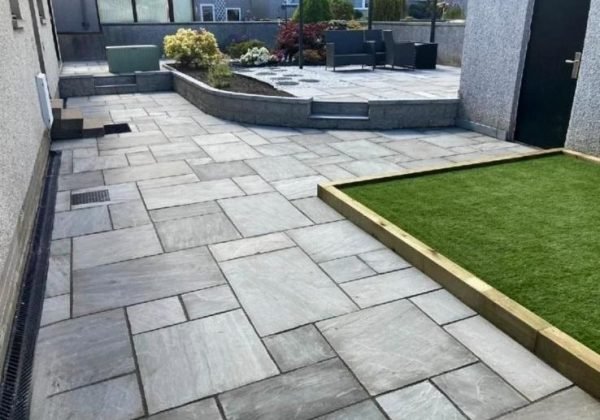
Patios & Garden Paving

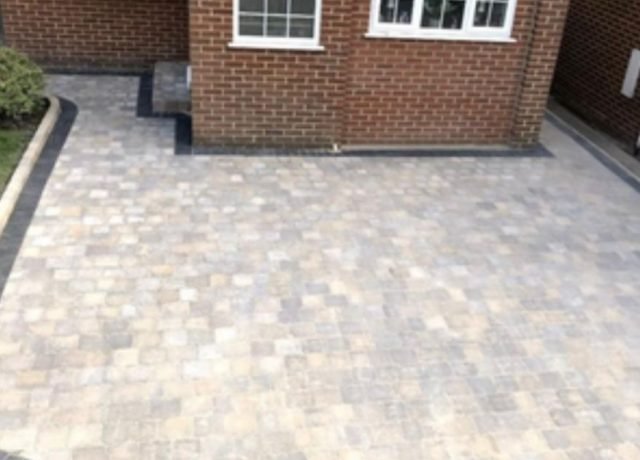
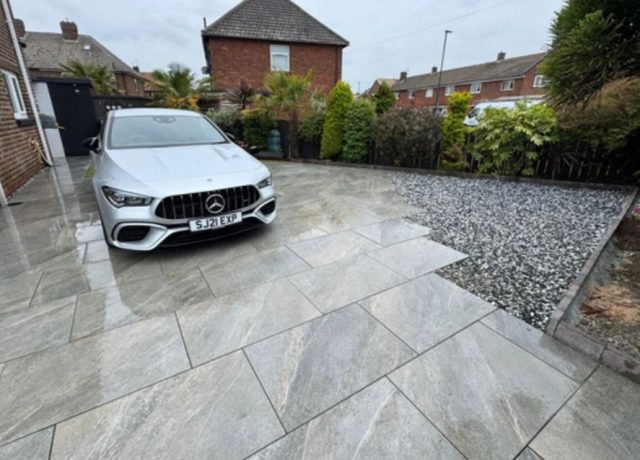
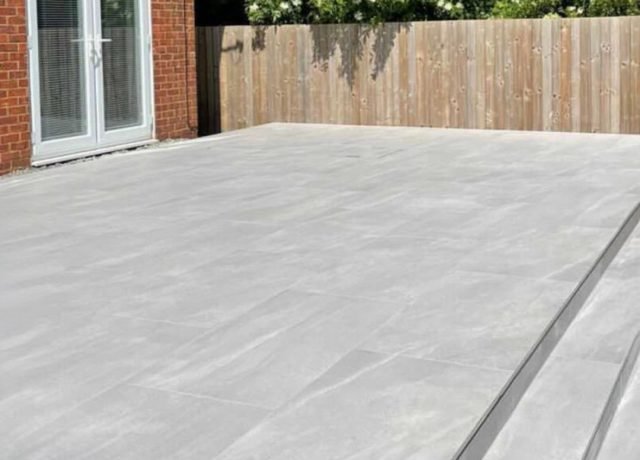
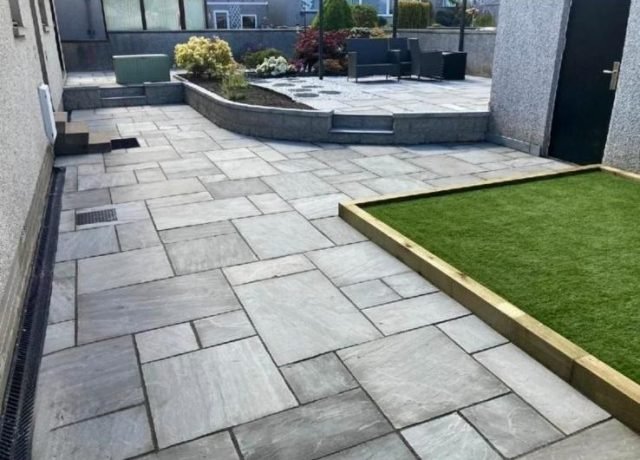
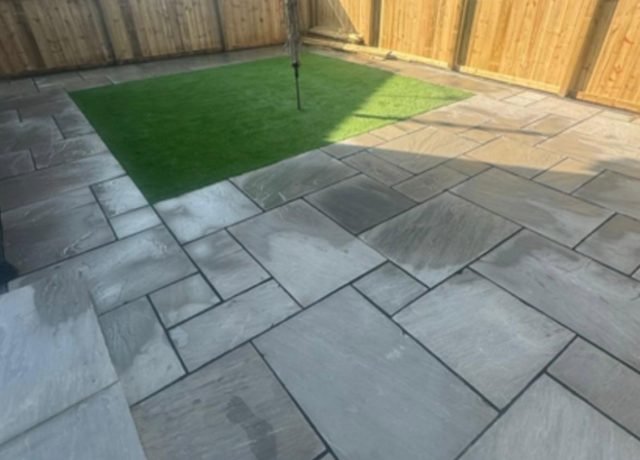
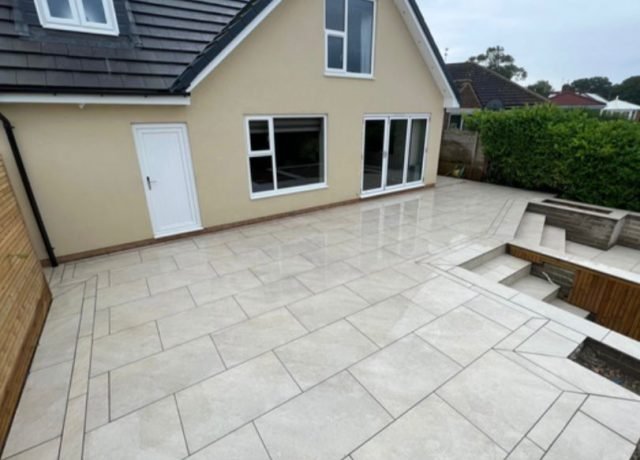
Block paved and slabbed patios, seating areas and garden terraces, laid to fall away from the house and finished to tie in with your paving and lawn.
WhatsApp Image 2026-02-25 at 7.17.56 PM (10)

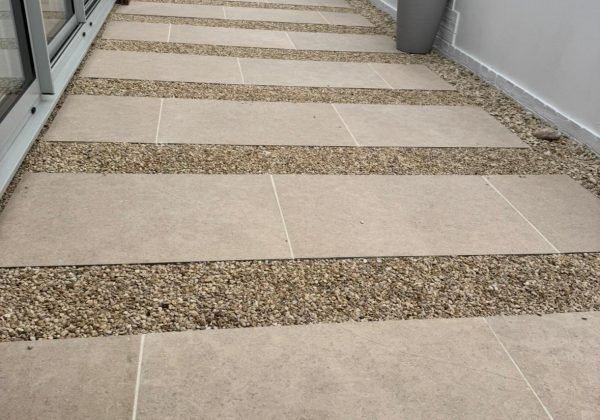
Paths & Walkways

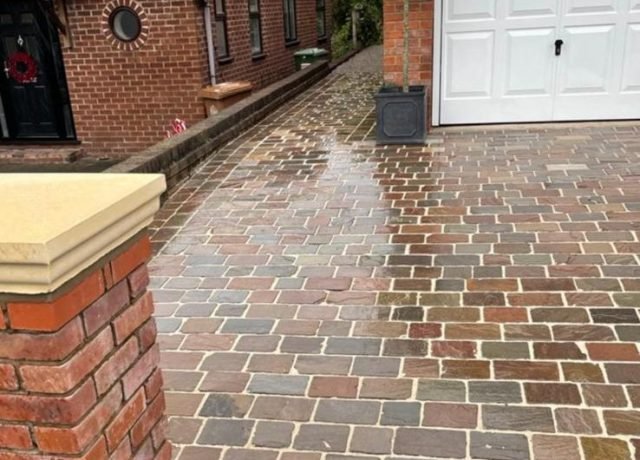
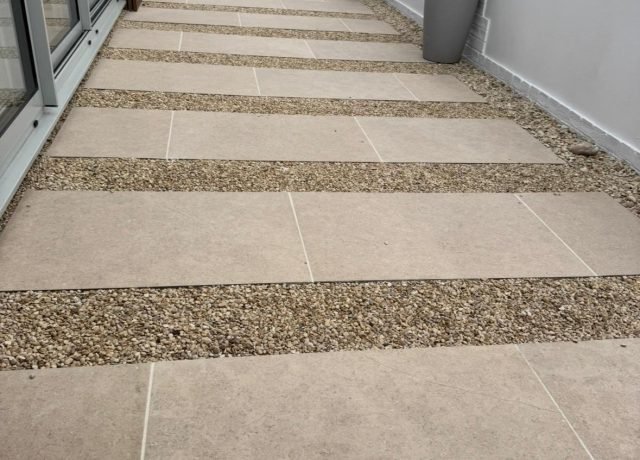
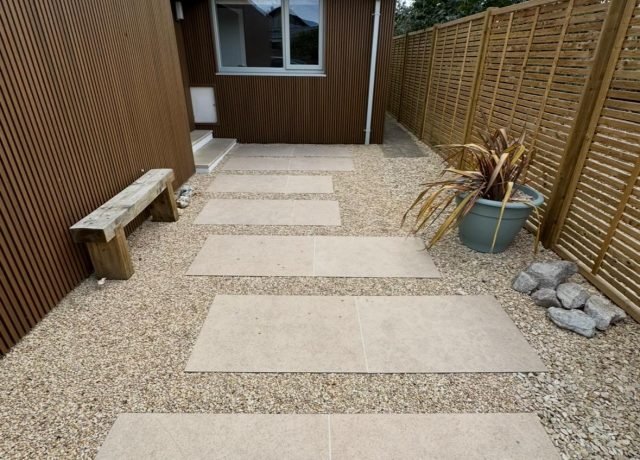
Front paths, side access, bin and bike stores and garden walkways — narrow work where the cutting and the edges are what make it look right.
WhatsApp Image 2026-02-25 at 7.17.57 PM (3)

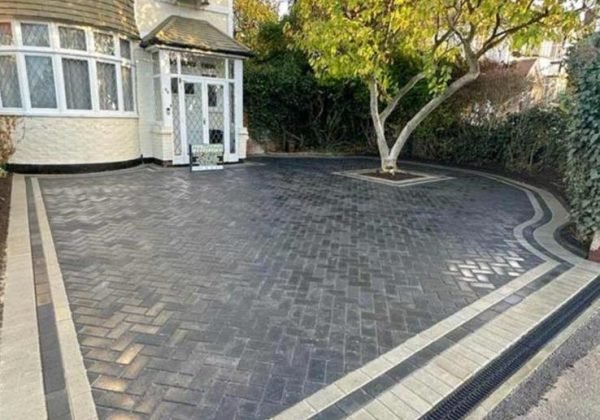
Edgings, Kerbs & Borders

Concrete-haunched edge restraints, dropped kerbs, soldier courses and contrasting borders that frame the drive and hold the paving together.
WhatsApp Image 2026-02-25 at 7.17.56 PM (3)

Repairs, Relaying & Re-Sanding

Sunken areas lifted and relaid, oil-stained or broken blocks swapped out, joints cleaned and refilled with kiln-dried sand.

Thinking About A New Driveway This Year?

We will come out, measure up, talk through blocks and patterns and put a fixed itemised price in writing. No pressure and no obligation.

Blocks, Patterns & Finishes

Choosing How Your Paving Will Look

Two driveways built to exactly the same specification can look completely different. The block you pick sets the character; the pattern you lay it in sets how the space reads and how strong it is under traffic.

Block & Paving Types

Laying Patterns

For a driveway we normally recommend 45° or 90° herringbone. The interlock is what resists the twisting force of car tyres — stretcher bond and basketweave look lovely on a patio or path but move under vehicles.

Bring us a photo of a drive you like and we will tell you exactly what block and pattern it is, and what it would take to do the same at your property.

Our Method

How We Build A Driveway That Stays Flat

This is the part of the job that is buried by the end of the week and is the only reason the surface survives. We work to the standard domestic driveway build-up, and we will tell you on site if your ground needs more than that.

01. Excavate & Cart Away

We dig out to depth — typically around 250mm below finished level for a domestic driveway — remove the old surface and any soft ground, and take the spoil away. Levels are set against the house so water runs away from the building, never towards it.

02. Sub-Base & Compaction

A geotextile membrane where the ground needs it, then compacted MOT Type 1 — around 150mm for cars, more for heavier use — laid and whacked down in layers rather than all at once, which is what stops settlement later.

03. Edge Restraints & Laying Course

Kerbs and edgings bedded and haunched in concrete around the whole perimeter first. Then a screeded laying course of sharp sand, about 30–40mm, ruled off flat and left uncompacted so the blocks bed in evenly.

04. Laying, Cutting & Jointing

Blocks laid to your chosen pattern, cuts made with a disc cutter rather than snapped, then the whole area vibrated in, brushed with kiln-dried sand and vibrated again until every joint is full.

Drainage & Planning

The Front Garden Rule Most People Have Not Heard Of

Since 2008, if you pave over more than five square metres of your front garden with a surface that water cannot pass through, and the rainwater simply runs off onto the road, you need planning permission for it.

You do not need permission if the new surface is permeable, or if the water is directed to a lawn, a border or a soakaway within your own boundary. That is how the overwhelming majority of driveways are built — but it has to be designed in from the start, not added afterwards.

Permeable Block Paving

Purpose-made blocks with wider joints filled with angular grit, laid over an open-graded sub-base so rainwater drains straight through the surface and into the ground beneath.

Channels & Linear Drains

A drainage channel across the threshold or along the low edge, collecting surface water and taking it to a soakaway rather than letting it run out onto the pavement.

Run-Off To Soft Ground

The simplest option where the layout allows it — falls set so the drive sheds water into a lawn, planted border or gravel margin inside your own boundary.

We will tell you at survey stage which of these applies to your property, and the quote will say plainly how the water is being dealt with. If we think a job genuinely does need permission, we will say so rather than lay it and leave you with the problem.

Why Pure Lay Home Solutions

Why Homeowners Choose Us For Their Driveway

Paving is a crowded trade and the quotes you get will vary wildly. Ours will not be the cheapest, because what makes the difference is under the surface and it costs money to do properly.

Groundwork Is Our Own Trade

We are a paving and landscaping firm first. The excavation, levels and sub-base are done by our own team, not subbed out to whoever is free that week.

Itemised Fixed Quotes

You get a written price that states the excavation depth, the sub-base, the blocks, the edgings and the drainage — so you can compare like with like.

We Leave It Clean

Spoil taken away, the road and pavement swept, and your drive usable when we go. Neighbours notice how a paving crew behaves.

Family-Run And Local

Based in Fleet and working across Hampshire and West Sussex. Our work sits on streets we drive down, which is the best quality control there is.

Recent Work

Driveways, Patios & Paths We Have Laid

A selection of block paving, slab and driveway projects completed for homeowners across Hampshire and West Sussex.

Costs, Timescales & Upkeep

Straight Answers Before You Commit

What Does A Block Paved Drive Cost?

It is priced per square metre, and the square metre rate depends on the block you choose, how much has to be dug out and carted away, how much edging and kerbing the shape needs, and what the drainage solution has to be.

Access matters too — a drive a machine can reach costs less to build than one that has to be barrowed through a side gate. We measure up and give you an itemised figure rather than a rate over the phone.

How Long Will It Take?

A typical domestic driveway runs to somewhere between three days and a week on site, depending on size, access and how much groundwork is involved. Patios and paths are usually quicker.

You can normally walk on the finished paving straight away and park on it within a day or so of the final compaction.

Will I Lose Access While You Work?

For most of the week, yes — once the drive is excavated it cannot be driven on. We will tell you exactly which days that covers so you can arrange parking, and we keep a safe walking route to your front door throughout.

What Maintenance Does It Need?

Very little. Brush it, wash it down occasionally, and top up the kiln-dried sand in the joints every few years — that sand is what holds the interlock together. Weeds come from seed landing on top, not up from below, so keeping the joints full keeps them out.

Sealing is optional. It deepens the colour and makes oil easier to clean off, but it is a choice rather than a necessity.

FAQs

Frequently Asked Questions About Block Paving

Clear answers to the questions we are asked most often about driveways, paving materials and what the work actually involves.

A driveway built on a properly compacted sub-base with concrete-haunched edge restraints should give you twenty years or more of service, and individual blocks can be lifted and replaced at any point in that life without disturbing the rest. The failures you see on other drives after three or four winters are almost always a groundworks problem rather than a materials one.

We would not recommend it, and in most cases we will not do it. Laying on top of old tarmac or concrete raises the finished level — often above your damp proof course or door threshold — and you inherit whatever is wrong with the ground underneath. The old surface comes up and goes away.

Only if you are paving more than five square metres of front garden with an impermeable surface that drains straight onto the road. Use permeable paving, or direct the water to a soakaway or soft ground inside your boundary, and it falls under permitted development. A dropped kerb across the pavement is separate and does need council approval.

Permeable blocks are made with wider nibs so the joints stay open, and they are filled with angular grit rather than sand. Under them sits an open-graded stone sub-base with voids for water to sit in before it soaks away. It looks much the same from above but handles surface water without any channels or gullies.

Seeds blow onto the surface, settle in the joints and germinate in the sand — they are not coming up from the ground below through the sub-base. Keep the joints topped up with kiln-dried sand and there is nowhere for them to root, which is far more effective than weedkiller.

Usually yes, and it is a much smaller job than a full replacement. We lift the blocks over the dip, find out why it settled, rebuild the sub-base in that area and relay the same blocks. If the sinking is widespread, though, that normally points to the original build-up being too thin, and patching will only move the problem along.

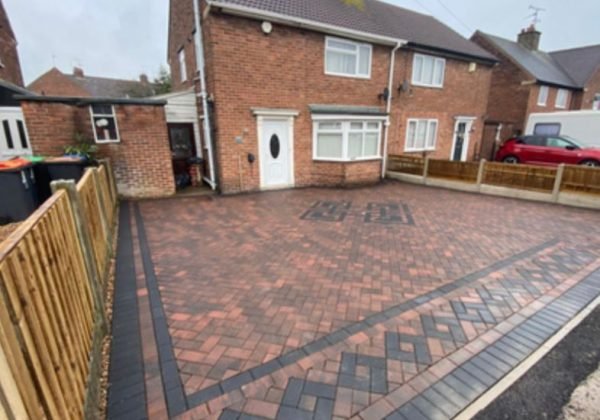
Often, yes. Bring us a photo or keep a spare block and we will identify the range. Be aware that paving weathers, so new blocks of the same product will look brighter at first and tone in over a year or two. Where a match is not available we will suggest a deliberate contrast instead, which reads better than a near miss.

We work throughout Fleet and the surrounding Hampshire towns and villages, and across Pagham and West Sussex. If you are not sure whether you are in our area, give us a call and we will let you know straight away.

Get A Free Paving Quote

    Speak To Us Direct

    Get In Touch

    Let's Get Your Driveway Done Properly

    Book a free site visit and we will measure up, talk through blocks and patterns, sort out the drainage question and put a fixed itemised price in writing — across Fleet, Hampshire, Pagham and West Sussex.

    Elvetham Bridge Unit 1, Fleet, GU51 1AE