
Damp is the most misdiagnosed problem in British housing. Paint over it and it comes back; treat the wrong thing and you have paid for nothing.
Pure Lay Home Solutions surveys the property first, identifies whether you are dealing with rising damp, penetrating damp or condensation, then treats the actual source — with the work explained in plain English and guaranteed in writing.
Diagnosis before any treatment is quoted.
Cause, recommended fix and clear costs.
Written guarantees on completed treatments.
Hampshire and West Sussex based.
Almost every damp complaint comes down to one of three causes, and they need completely different treatments. Getting that call right is the whole job — which is why we survey before we quote.
Groundwater drawn up through the masonry where the damp proof course has failed, been bridged or was never there. Shows as a tide mark up to about a metre, with salting and blown plaster.
Water coming in from outside through cracked render, failed pointing, leaking gutters, defective flashing or a solid wall soaking through in driving rain. Patches appear high or low, and worsen after rain.
Moist indoor air meeting cold surfaces. Black mould in corners, on window reveals and behind furniture, usually worse in winter. A ventilation and insulation problem, not a wall problem.
Treating condensation with a chemical damp proof course, or rising damp with a dehumidifier, wastes money and leaves the problem exactly where it was. We tell you which one you have and why.
Diagnosis, treatment and long-term protection for homes across Fleet, Hampshire, Pagham and West Sussex — period properties and modern builds alike.
A new DPC injected into the affected masonry to form a barrier against rising moisture. Fast, clean and effective on properties with a failed, bridged or missing original course.
Specialist salt-inhibiting render and plaster applied after DPC work, so the hygroscopic salts carried up by rising damp cannot stain or blow the new finish.
We find the actual entry point — failed pointing, cracked render, a leaking gutter, defective flashing — repair it, then protect the wall so water stops getting in.
Breathable water-repellent coatings that shed driving rain while still letting the wall dry outwards. Ideal for exposed, solid-wall and rendered elevations.
Extractor upgrades, trickle and passive vents and positive input ventilation to cut humidity at source and break the condensation cycle for good.
Affected areas cleaned and sanitised, then treated with an anti-mould coating — alongside fixing the moisture source, so it does not simply grow back.
That is exactly what the survey is for. We will look at the property, take readings, explain what is causing it and put the recommended fix and the price in writing.
Damp rarely arrives all at once. It shows itself in small ways first, and those are the cheapest to deal with. If you recognise several of these, it is worth having the property looked at.
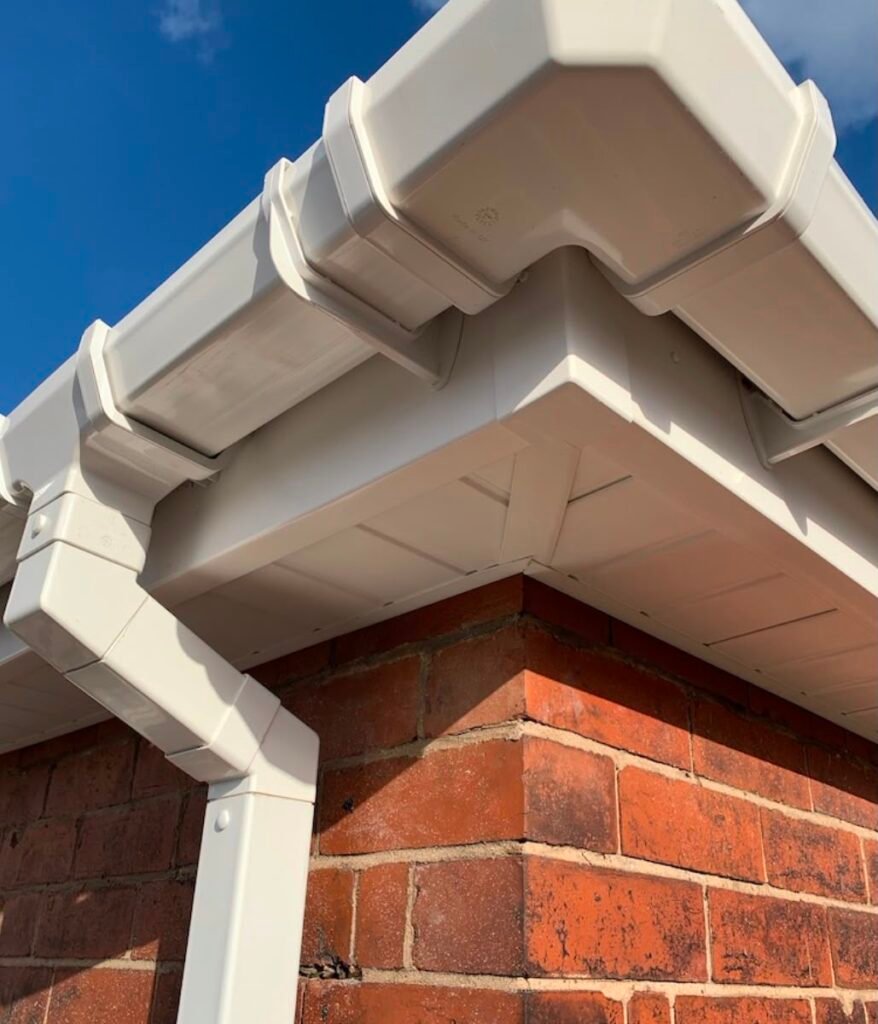
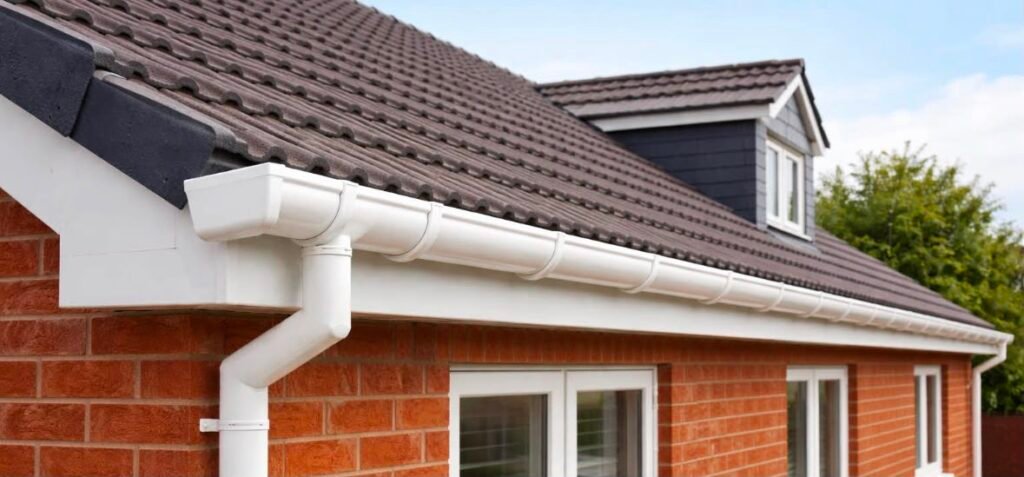
A damp survey is not a quick look and a quote. It is a methodical check of the building and the conditions inside it, so the recommendation is based on evidence rather than a guess.
We inspect inside and out, take moisture and humidity readings, and establish what is actually causing the damp before anything is recommended.
You receive the diagnosis in writing with the recommended treatment and an itemised fixed price. No pressure and no guesswork.
The work is carried out to specification — DPC injection, replastering, external repairs or ventilation — with the property protected throughout.
We inspect the completed work, clear the site and hand over your written guarantee along with aftercare advice.
Damp work attracts a lot of quick fixes and a fair amount of upselling. Our approach is duller and more useful: find the cause, explain it, fix that one thing properly, and stand behind the work.
Readings and inspection first. We never recommend treatment before the cause is established.
We explain what is happening and what it will take, without the jargon or the scare tactics.
Itemised written quotes. If a cheaper repair solves it, that is what we will tell you.
Floors and furniture protected, dust controlled and the site left clean at the end of every day.
It depends entirely on the cause and the extent. Improving ventilation in one room is a modest job. A chemical DPC and replastering across several walls is a substantial one, and external repairs sit somewhere between.
Because the treatments differ so widely, an honest price can only follow a survey. Ours comes with a written diagnosis and an itemised fixed quote.
Ventilation improvements and mould treatment are often completed in a day. A damp proof course with replastering usually takes several days depending on the number of walls involved.
Replastered walls then need time to dry before decorating — typically around a month per 25mm of thickness. We tell you the realistic timeline up front.
Not if the right cause was treated. That is the whole argument for surveying first: a correctly installed DPC, a repaired external defect or proper ventilation deals with the mechanism, not the mark on the wall.
Completed treatments carry a written guarantee, and we give you straightforward aftercare advice to keep the property dry.
Almost never. Most damp proofing is carried out room by room with the household still living there. Replastering is dusty, so we sheet up, protect floors and furniture and clean as we go.
We will tell you in advance which rooms are affected and for how long, so you can plan around it.
Clear answers to the questions we are asked most often about damp, its causes and what treatment actually involves.
Rising damp shows as a tide mark from the floor up, usually no higher than about a metre, often with salt deposits and blown plaster. Condensation appears as black mould in corners, on window reveals and behind furniture, is worse in winter and is not tied to ground level. The two need completely different treatments, which is why we take readings rather than judge by eye.
Small holes are drilled into the mortar course at the base of the affected wall and a damp proofing cream or fluid is injected. It spreads through the masonry and cures into a water-repellent barrier that stops moisture rising. It is quick, clean and effective where the original DPC has failed, been bridged or never existed.
Rising damp carries hygroscopic salts up into the plaster, and those salts keep attracting moisture from the air long after the wall itself is dry. Leaving the old plaster means the staining returns even though the treatment worked. Salt-resistant replastering is what makes the repair permanent.
Yes, and it needs a careful approach. Solid-wall and older properties rely on being able to breathe, so sealing them with the wrong products traps moisture and makes things worse. We use breathable treatments and coatings that suit traditional construction.
Mould spores can aggravate asthma, allergies and other respiratory conditions, and they are best dealt with promptly rather than lived with. Cleaning the mould alone is only half the job — unless the moisture source is corrected it will return, so we address both.
No, and that matters. If water is entering through a defective roof, flashing or overflowing gutter, no internal treatment will solve it. We repair roofs and guttering too, so if the survey points that way we can put the actual cause right rather than sell you the wrong treatment.
Yes. Completed damp proofing work is covered by a written guarantee, and we explain exactly what it covers before we begin so there is no ambiguity later.
We work throughout Fleet and the surrounding Hampshire towns and villages, and across Pagham and West Sussex. If you are not sure whether you are in our area, give us a call and we will let you know straight away.
Book a damp survey and get a written diagnosis, the recommended fix and a clear price. No pressure, no guesswork — across Fleet, Hampshire, Pagham and West Sussex.
Elvetham Bridge Unit 1, Fleet, GU51 1AE
Copyright © [year] Pure Lay Home Solutions. All Rights Reserved.